

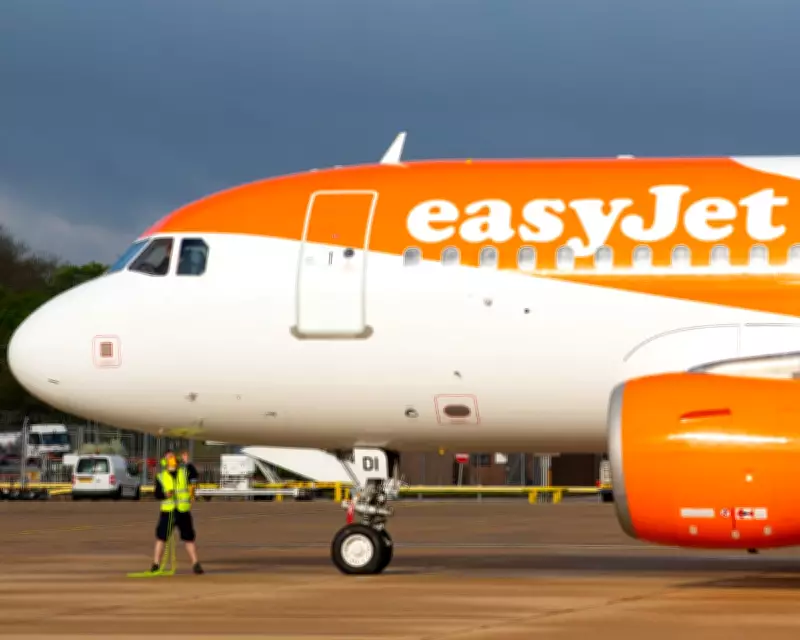
EasyJet has reported that its summer holiday bookings are trailing behind last year's figures, as the ongoing conflict in the Middle East dampens consumer confidence and prompts passengers to delay their travel plans.
Fuel Costs and Supply Concerns
The budget airline disclosed an unexpected additional expenditure of £25 million on jet fuel in March, following the onset of the US-Israel military action against Iran. However, the carrier emphasised that it is not experiencing any disruption to fuel supplies and maintains its usual four-week rolling visibility of supply. It does not anticipate cancelling any further flights this summer, despite warnings from Ryanair's Michael O'Leary in April that the UK is the most vulnerable European nation to potential jet fuel shortages if the Strait of Hormuz remains closed.
Customer Confidence and Booking Trends
EasyJet urged customers to "book with confidence," amid signs that concerns over fuel shortages and possible flight cancellations are deterring travellers. Chief Executive Kenton Jarvis noted that airlines can source jet fuel from a variety of countries, stating: "Fuel supplies are diversifying; we are seeing more production in the Americas and Norway." The airline observed that customers remain hesitant to book far in advance, with many waiting until the month of departure to commit. "We continue to see positive late bookings since the conflict began; however, overall bookings for the summer period are behind where they were at this point last year," the company said.

Operational and Financial Outlook
Jarvis stressed the importance of honouring prices and maintaining flight schedules to reassure customers, especially after some European airlines introduced surcharges. He confirmed that easyJet has no intention of reducing summer flights, despite the UK government granting contingency powers to airlines to conserve fuel. He noted that the flexibility to cancel "could be useful in the winter" if fuel prices stay high, but added: "We make more than all our profit in 12 summer weeks. Therefore, there's nothing that we fly in July, August, or September that wouldn't contribute positively to fixed overheads. If the fuel is there, we will fly it."
Hedging and Financial Performance
The company has hedged 72% of its fuel requirements for the next six months, covering the peak summer period through to the end of September. However, Jarvis remarked: "We've suspended hedging in the short term because the oil price is so volatile that it fell 6% yesterday. It bumps up and down depending on what Donald Trump has for breakfast. Who knows how long this takes to really open up the Strait. While the supply risk is fading, it's not reflected in price because you're paying for this diversification." Meanwhile, easyJet reported a pre-tax loss of £552 million for the six months to 31 March, compared with a loss of £394 million in the same period a year earlier. The airline has raised its minimum ticket fare in response to higher fuel costs and is reviewing all discretionary spending.
Summer Schedule and Border Delays
Jarvis stated that the airline can manage the current situation, supported by one of the strongest investment-grade balance sheets in European aviation. EasyJet reviewed its summer flight schedule in March after the conflict erupted, resulting in a 0.3% net reduction in seats. However, it now intends to operate its full summer schedule as planned. Jarvis called on European airports to use the flexibility granted by the European Commission to help passengers avoid long border queues during the busy bank holiday and half-term periods. Some travellers have faced significant delays at border checks due to the EU entry-exit system (EES) implemented in early April. "It is really inexcusable," Jarvis said. "I'd encourage border forces and member states in Europe to use the flexibility that the EC has given them. They don't need to leave people in long queues. They can just stop using the gates or run parallel with regular passport stamping." Passengers should also arrive at the airport in good time, he added.

Despite fuel and EES concerns, Jarvis noted: "What is great is that once you've got through the airport, the skies are operating very well at the moment. We've seen really good punctuality, and the French air traffic controllers haven't gone on strike, which is kind of unusual."





