

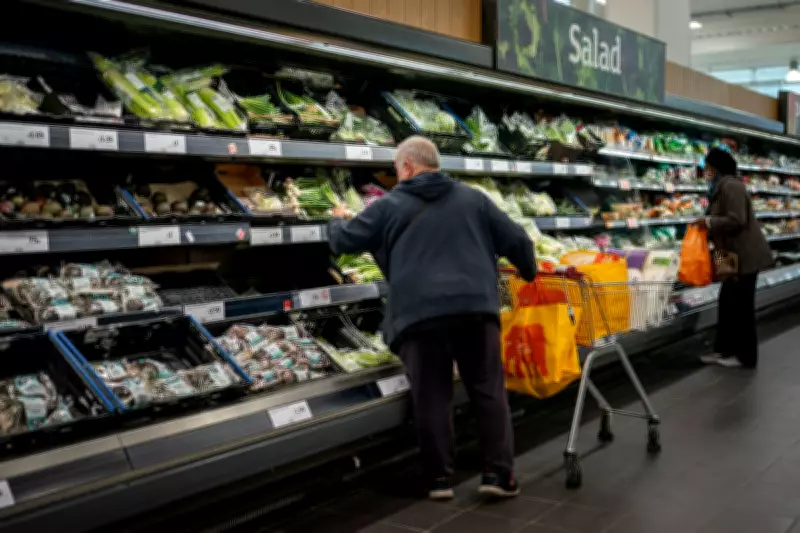
Retailers experienced a disappointing April as an early Easter compounded already fragile consumer confidence amid the Middle East crisis, according to new data.
Sales Decline
Total UK retail sales fell by 3% year on year, significantly below the 12-month average growth of 1.8%, figures from the British Retail Consortium (BRC) and KPMG reveal. This year's earlier Easter in March meant food sales for April were artificially low compared with last year, dropping by 2.5%. However, non-food sales also decreased by 3.3%, below the 12-month average growth of 0.3%.
When combining March and April to smooth out the Easter effect, total retail sales were up 1.5% year on year.

Consumer Confidence
BRC chief executive Helen Dickinson commented: "April's sales fall was largely driven by the Easter shift, with food hit hardest. But weak consumer confidence also played a role as fears about the Middle East conflict driving up living costs led shoppers to rein in spending. Big-ticket purchases fell, with the recent recovery in furniture losing steam, and uncertainty around summer holidays hitting discretionary spend. With the World Cup coming, retailers hope it will provide a lift, and early signs show demand for TVs and sound systems picking up."
Linda Ellett, UK head of consumer, retail and leisure markets at KPMG, added: "It was a disappointing April for the retail sector, even factoring in an earlier Easter shifting some spending into March. Bar marginal growth for beauty, health and jewellery, retail sales fell across all other categories. Consumer confidence has been further dampened by rising prices due to the Iran conflict, with consumers cautious about potential ongoing effects. As a result, the retail sector is facing a challenging start to spring/summer, but there is hope that holiday demand and the World Cup still manage to unlock spending in the weeks and months ahead."
Spending Data
Separate figures from Barclays show consumer card spending fell by 0.1% year-on-year in April, the first decline since November 2024. A survey for the bank found almost three quarters of consumers (72%) expect tension in the Middle East to affect the cost of living throughout this year.
Spending on travel fell 5.7% in April, following a 3.3% drop in March, with spending on airlines down 8.3% as consumers cited concerns about travel costs (70%) and travel disruption (62%) in light of the Middle East conflict. One in six (16%) said they were putting off holiday decisions until the outlook stabilised.
Jack Meaning, chief UK economist at Barclays, said: "With uncertainty high both at home and abroad, it is unsurprising to see confidence falling. The key unknown for the UK outlook is how long this uncertainty will last. If confidence remains subdued for too long, and consumers continue to limit their spending as a result, it will be a challenge for households and businesses to weather the storm."






