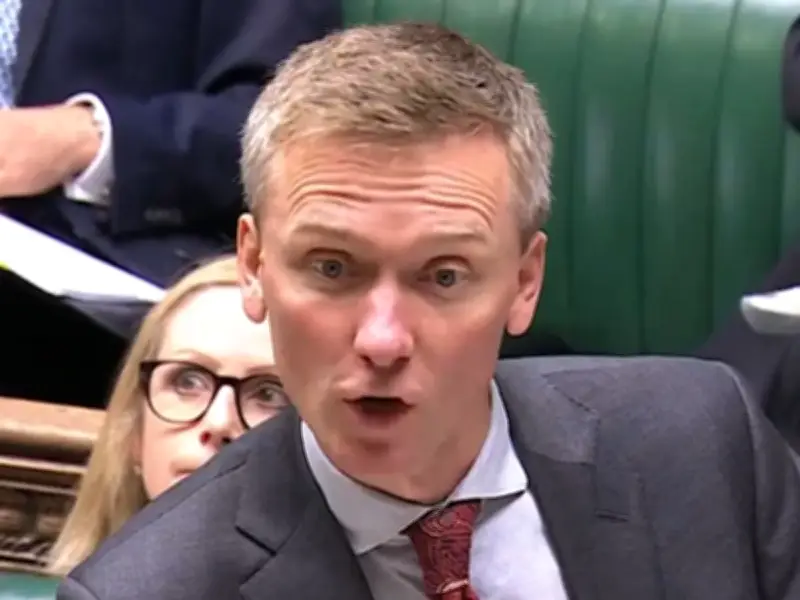
DWP minister Torsten Bell has rejected two claims about the state pension triple lock, insisting the policy will continue in a reformed form from 2030. Writing in his latest newsletter, the parliamentary under-secretary of state at the Department for Work and Pensions said many people were "wrong" in two of their claims about the changes.
The Prime Minister revealed late last month that the current triple lock system will be reformed. Speaking at the Labour Party conference, he outlined plans to scrap the existing triple lock, which ensures state pension rises match whichever is highest of inflation, earnings or 2.5%. The proposal would see the state pension increase in line with inflation or 2.5% starting in 2030, cutting the automatic connection with average earnings growth.
Minister says new policy is still a triple lock
Mr Bell said people are getting two things wrong about the triple lock, including one important thing about the new policy. He explained: "This has been the cause of the longest WhatsApp exchanges I have had, with podcasters, Today Programme presenters and the rest. Some have wrongly claimed the new policy is a double lock - to be fair largely because the earnings part of the adjusted Triple Lock isn't the simplest bit of public policy ever." He then shared a graphic "to ram home that the new policy is very much a triple lock."
He said that beginning in April 2030, the Government will adjust rather than abolish the Triple Lock. "We want to keep the core principles of ensuring a material rise every year, protecting against price increases, and ensuring that pensioners benefit as the economy grows - but to remove the permanent ratchet effect," he said. "We achieve this with a State Pension that rises every year by at least the highest of inflation or 2.5%, plus anything more required to ensure the State Pension retains that 2029/30 record high value relative to earnings."
Savings and pensioner poverty claims
The ratchet effect, he explained, currently means the State Pension increases faster than wages over time as it can potentially rise more than earnings in certain years. He said the new approach from 2030 will place the State Pension on a "sustainable basis, rising in line with average earnings over time rather than consistently growing faster than wages."
Mr Bell, who the Daily Telegraph last week described as the 'mastermind' behind the new triple lock policy, said the reforms would deliver enormous savings for the UK - £15bn annually by 2040, climbing to £50bn in 2050. The minister, who is also parliamentary secretary at the Treasury, also said it was incorrect to suggest the triple lock had reduced pensioner poverty and argued instead that introducing the policy in 2011 had caused it to rise as the state pension age increased, "which bit hardest for those on the lowest incomes".
The Institute for Fiscal Studies has also backed his claim that there will continue to be a triple lock - although it has some questions about the plan. Speaking after Mr Burnham's speech, Jonathan Cribb, Deputy Director at IFS, said: "It is great news that Andy Burnham has neutered the worst element of the triple lock. Goodbye to the unsustainable 'ratchet' effect. State pensions will still rise, but more sustainably. Better reforms were available, but this one is a big improvement. It will not, however, be the answer to funding universal social care."
Political reactions to the plan
Speaking on Sunday, Conservative leader Kemi Badenoch told the BBC's Sunday With Laura Kuenssberg show: "There are good people on all sides who have arguments about the triple lock, but our policy is to keep it. The reason why is because what is going wrong in our economy is not lots of elderly people earning £10,000, £12,000 a year on the state pension. It is the huge number of people who can work who don't work. In 2010, when the Conservative coalition started, what we saw was a lot of pensioner poverty. That policy was brought in to fix that."
The Lib Dems have become divided over the new policy. One Lib Dem this month attacked leader Ed Davey's position on the triple lock. Tom Gordon accused the party leader of "gaslighting" millennials by arguing that the Prime Minister's reform of the policy could harm younger workers in the future. "The idea that we're keeping the triple lock to help millennials is at best for the birds, and at worst downright insulting. I say that as a millennial," he said.
Reform leader Nigel Farage said pensioners were the "wrong target". John Swinney, leader of the Scottish National Party, said "the incomes of pensioners will be almost £2,000 lower in real terms. It is absolutely unacceptable."