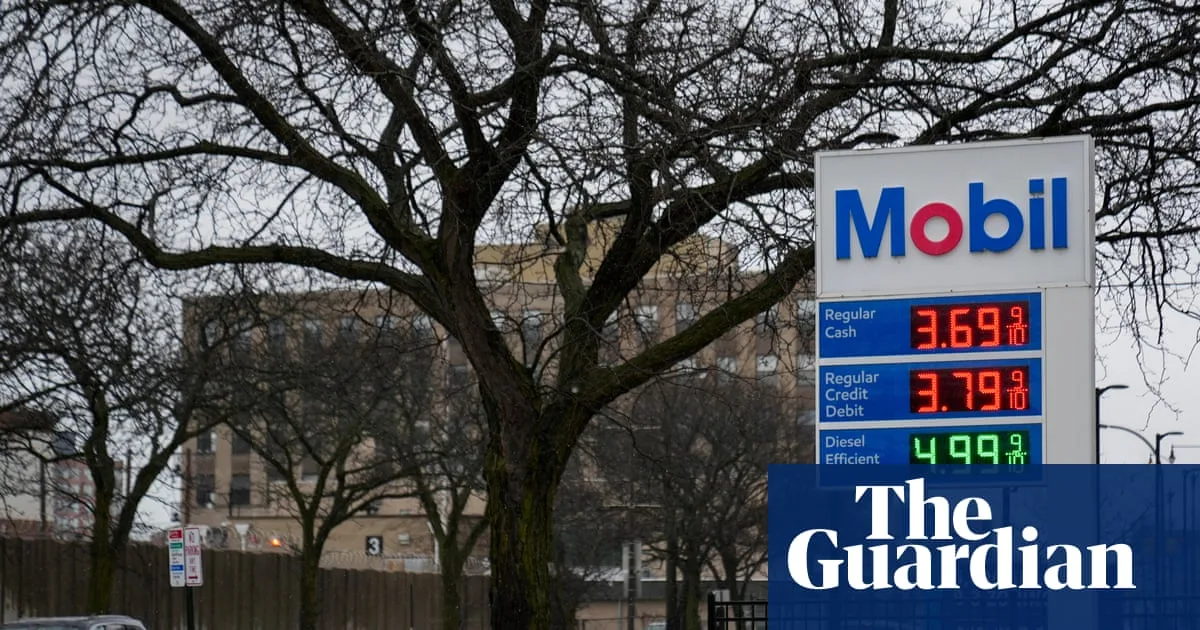
Democratic lawmakers and progressive groups are calling for a windfall tax on major fossil fuel companies, as big oil is poised to reap billions in profits from the war in Iran. The US-Israeli strikes on Iran have caused the largest ever disruption to fuel supply, according to the International Energy Agency, sending crude prices above $100 per barrel. Average US gas prices have topped $3.70 a gallon, with Americans spending an extra $2bn on fuel in the past fortnight.
Since the war began, shares of ExxonMobil and Chevron have risen by over 5% and 7% respectively. Senator Sheldon Whitehouse and Congressman Ro Khanna have proposed taxing these windfall profits. 'Trump's war of choice in Iran is not just a moral mistake but an economic blunder that is skyrocketing gas prices for working Americans,' said Khanna.
Dozens of consumer and environmental groups, including the Sierra Club and Public Citizen, have sent a letter to Congress backing the proposal. 'Revenue from a windfall profits tax should be returned directly to struggling American households to help offset rising costs,' the letter states. Analyses suggest US fossil fuel firms could collect an additional $60bn this year if oil prices remain high.

Isabella Weber, an economics professor at the University of Massachusetts Amherst, said windfall taxes can 'raise money to cushion the more vulnerable sections of society from cost-of-living pressures'. A study co-authored by Weber found that during the 2022 fuel crisis, 50% of oil and gas profits went to the wealthiest 1% of individuals, while the bottom 50% received only 1%.
Supporters cite a study indicating that a similar tax during the 2022 price shock could have returned $1,715 to each American household. The UK imposed a windfall tax on oil and gas after the 2022 fuel shock, raising $3.3bn. The time to act is now, they argue.