Chartreuse, the intensely green or yellow herbal liqueur made by Carthusian monks with a secret recipe and limited production, has become the coolest thing to order at bars, particularly among younger drinkers in Paris and beyond. Its scarcity, mythological origins, and distinctive 'grellow' color have fueled its rise in popularity, especially after the pandemic.
Parisian Bars Embrace Chartreuse
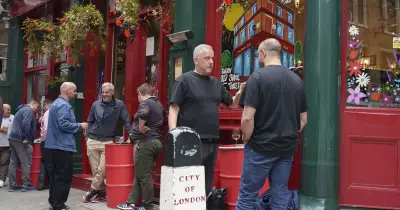
In Belleville, Paris, bars like La Commune have seen their Chartreuse supplies run out, while Les Triplettes de Belleville offers shots of the yellow variety for €7. Hugo Césard, a 19-year-old bartender, describes the taste as sweet and fennelly at first, with complex notes closer to an Alpine meadow. The yellow version is 40% ABV, while the green is about 55%.
At Combat, a bar run by women, Chartreuse is served cold in crystal-cut glasses or in a cocktail called The Last Word, mixed with gin, lime, and maraschino cherry. Bartender Marie-Paule Corby, 30, appreciates its 'complicated flavour,' though some customers find it too sweet.
Rising Popularity and Production Caps
Interest in Chartreuse shot up after the pandemic, according to Theo, who works at La Cave Pigalle in Paris. The same trend occurred in the US during the craft cocktail movement of the early 2000s, and lockdown further boosted demand for unusual top-shelf spirits.
In 2021, the Carthusian monks announced plans to cap production to 'protect their monastic life and devote their time to solitude and prayer.' In a letter, they stated, 'Making millions of cases does not make sense in today's environmental context and will have a negative impact on the planet in the very short term.' A spokesperson for Chartreuse said the brand is shifting focus back toward herbalism.
Scarcity and Demand
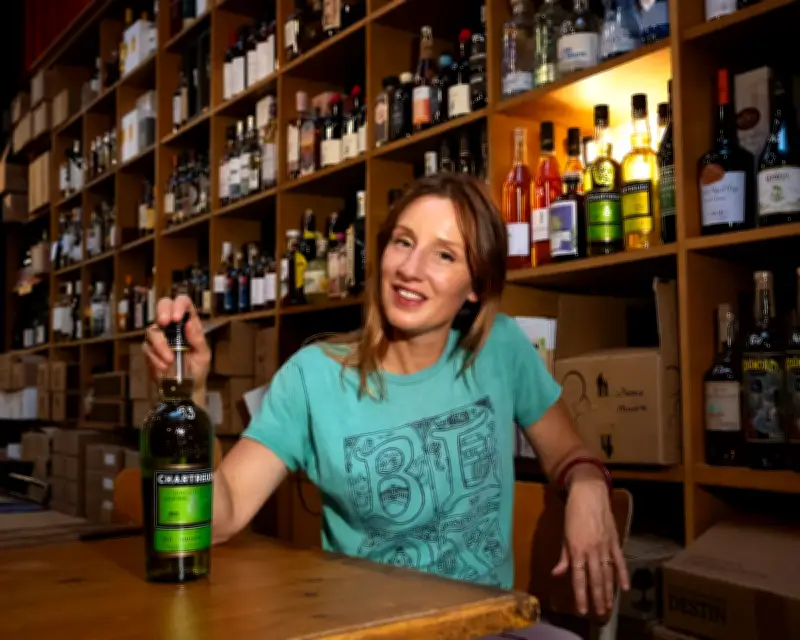
At La Cave de Belleville, Chartreuse is scarce, with an allocation of 24 bottles of green and 24 bottles of yellow per year, according to Remy Pousse-Vaillant, a liquor expert. The brand keeps half of its production and exports the rest to the US, Japan, Australia, and 'countries surrounding the Alpine arc.' Pousse-Vaillant estimates production is not much over 1m bottles worldwide.
The scarcity has sharpened appetite for the drink, says Pousse-Vaillant, who notes that unlike cocktails popularized by TV shows like Mad Men or Sex and the City, Chartreuse's appeal lies in its authenticity and unchanged nature. 'In this era of AI, of Meta and of constantly [being online] I think people want something real, something authentic, something unchanged,' he said.
The Recipe's History
The story of Chartreuse began in 1605 when the Carthusian monks received a manuscript from Duke François Annibal d'Estrées outlining a 130-ingredient 'elixir of long life.' It took over a century to decipher, leading to the 'élixir végétal' base. The first liqueur version was created in 1838, with green and yellow variations following in 1840. The green version was even given to cholera patients, providing possible pain relief.
Today, only three monks know the recipe, and they are helped by five anonymous lay people in the distillery. As a Chartreuse spokesperson said, 'As the monks say: 'the cross stands firm while the world turns.' It is a good motto because the world is difficult right now. So what else can we do?'