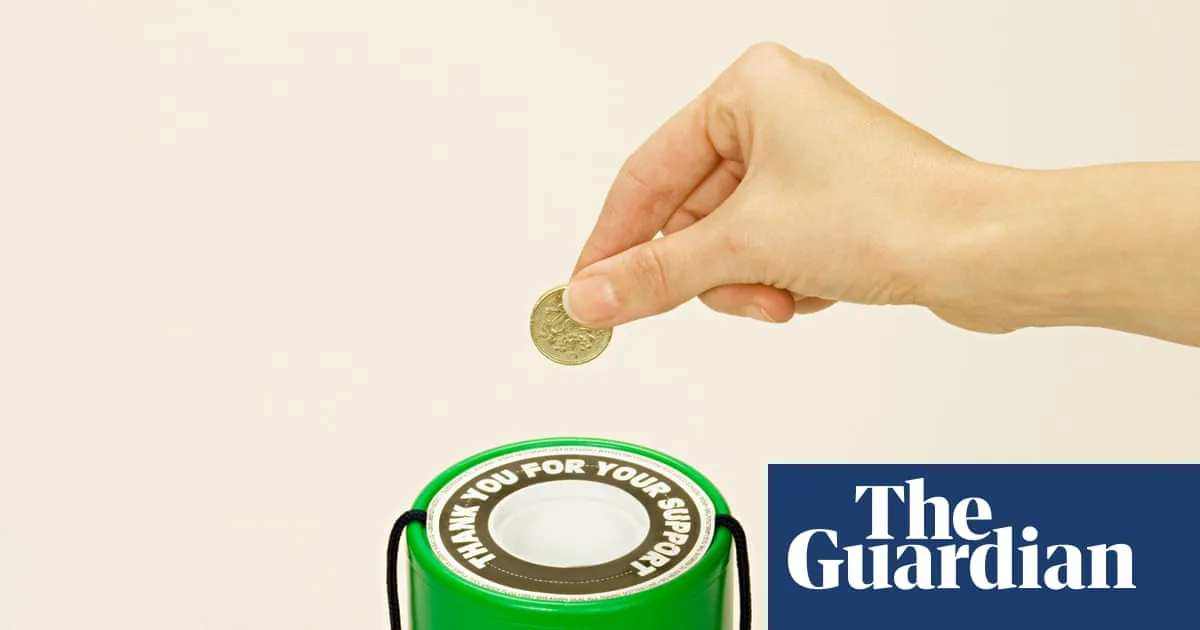
Charity Donations Decline Amid Cost of Living Crisis and Trust Issues
Charity Donations Fall as Trust Wanes and Costs Rise

Greg James Reaches Midpoint in Comic Relief Bike Ride as Charity Sector Struggles

BBC Radio 1 presenter Greg James achieved a significant milestone on Tuesday, 17 March, reaching the halfway point of his 1,000km bicycle journey for Comic Relief just outside Doncaster in South Yorkshire. This annual stunt, broadcast live with regular updates and calls for donations via text, is a beloved feature of the charity fundraiser. On Red Nose Day, 20 March, James and his tandem, accompanied by various celebrities, are anticipated to be welcomed by enthusiastic crowds in Edinburgh.

This heartwarming endeavour highlights the enduring appeal of such events, with presenter-led feats raising a record £2.2 million last year, including Jamie Laing's five ultra marathons in five days. However, beyond the high-profile spotlight of national radio and seasonal appeals like the Guardian's, which garnered over £1 million between December and January, the charitable sector is confronting severe challenges.

Sharp Decline in Donations Recorded

The latest report from the Charities Aid Foundation reveals a troubling downward trend, marking the first overall drop in donations since 2021. Total contributions fell from £15.4 billion in 2024 to £14 billion last year, with overseas aid charities and disaster appeals among the hardest hit. While the number of UK donors has been declining for years—6 million fewer than a decade ago—larger donations from a shrinking pool of individuals had previously offset the loss. Now, even these substantial contributions are diminishing, prompting the CAF to advocate for a revival of the culture of giving.

Wide Pickt banner — collaborative shopping lists app for Telegram, phone mockup with grocery list

The foundation urges ministers to integrate charities into their Pride in Place neighbourhood renewal programme. Given charities' critical role in delivering frontline services through council contracts, this decline is alarming. Many organisations are already chronically underfunded for their projects, and further cuts could lead to significant harm.

Cost of Living and Trust Issues Drive the Drop

Rising living costs are a key factor in reduced giving, as households grapple with high energy and other essential expenses. Surprisingly, affordability was cited as the top reason for not donating even among taxpayers earning over £125,000 annually. Additionally, wealthier individuals were disproportionately likely to state they do not donate due to lack of interest or desire, casting them in an unfavourable light.

The CAF report also underscores mounting scepticism and distrust as major obstacles. Findings indicate that people who lack trust in charities are less likely to view their neighbourhoods positively, suggesting a correlation with broader issues of low social engagement and morale.

Government Response and Future Outlook

Ministers are aware of these challenges, as reflected in their new social cohesion strategy, which includes proposals such as enhanced powers for the Charity Commission to address governance issues. While past failures have likely contributed to the current climate of distrust, and stronger oversight could help, there is no simple administrative solution to charities' financial woes.

Hope rests on an economic upturn potentially boosting donations, as has occurred historically. The sector must also innovate to appeal to the public, even without the advantage of high-profile events like a DJ on a bicycle. Despite the gloom, 55% of people still donated or sponsored someone last year, indicating resilience within the charitable landscape.

Pickt after-article banner — collaborative shopping lists app with family illustration