

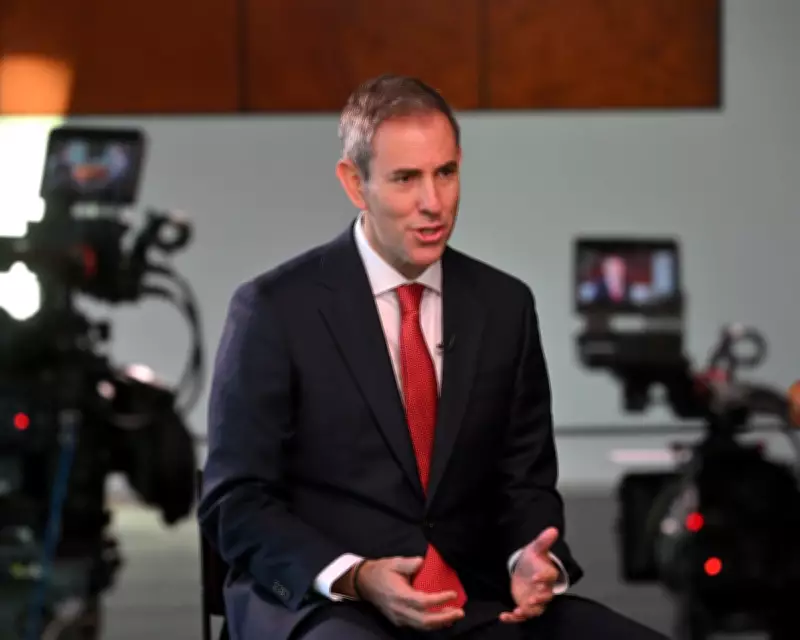
Jim Chalmers' 2026 federal budget is expected to include significant changes to negative gearing and the 50% capital gains tax discount for property investors, marking a shift in housing policy. The long sell for Labor's budget package means many details are already known ahead of Tuesday night's announcement.
Broken Promises
Labor is preparing to limit negative gearing to newly built properties and wind back the capital gains tax discount for future transactions, despite Prime Minister Anthony Albanese repeatedly denying such changes during the 2025 election campaign. The moves aim to rebalance the property market towards first home buyers.
Tax Changes
Less generous rules for trusts are expected to raise about $2 billion annually, another change Labor previously ruled out. A tax rebate for working Australians is also anticipated, and the $20,000 instant asset write-off for small businesses will become permanent.

Defence Spending
The government will spend an extra $53 billion on defence over the next decade, including $14 billion more over four years. This responds to pressure from the Trump administration and includes increased spending on drones and Aukus nuclear submarine projects. An additional $74 million will fund a new national centre to combat terrorism and online threats.
NDIS and Aged Care
The National Disability Insurance Scheme, on track to cost over $70 billion by decade's end, will see growth reduced from over 10% to about 2% per year, with around 160,000 people removed. Aged care reforms have been scaled back, and Australians over 65 will pay about $240 more annually from changes to the Medicare levy.
Public Service Cuts
Federal department budgets face cuts, with over $2 billion in further savings from consultants and outsourcing. Redundancies are already underway. Treasurer Chalmers and Finance Minister Katy Gallagher said savings and reprioritisations total $64 billion, though it's unclear how much will be banked versus spent elsewhere.
Fuel and Housing
Labor will spend $2.55 billion to cut fuel excise and heavy road user charges for three months as a cost-of-living measure. A new $10 billion fuel security package will increase stockpiles to 50 days and expand refinery capability. An additional $2 billion will fund enabling infrastructure for housing developments, aiming to deliver 65,000 new homes over the decade.
Productivity and Infrastructure
Changes to speed up skills recognition for migrant workers are part of a productivity package expected to grow the economy by $13 billion annually. The CSIRO will receive $387.4 million extra but still plans to cut up to 350 jobs. Labor will contribute nearly $4 billion extra to Melbourne's Suburban Rail Loop, while the Inland Rail project will be scaled back as costs blow out to over $45 billion. The federal government will spend $50 million to upgrade the Canberra-Sydney rail line.
Electric Vehicles and Environment
The EV fringe benefits tax discount will be retained fully for another year, then limited to vehicles under $75,000 until April 2029. The budget includes $500 million to speed up approvals for housing, energy, and critical minerals projects under the Environment Protection and Biodiversity Conservation Act reforms.
Economic Outlook
Budget forecasts will show higher inflation and unemployment due to the war in Iran, with slower growth over the coming four years.






