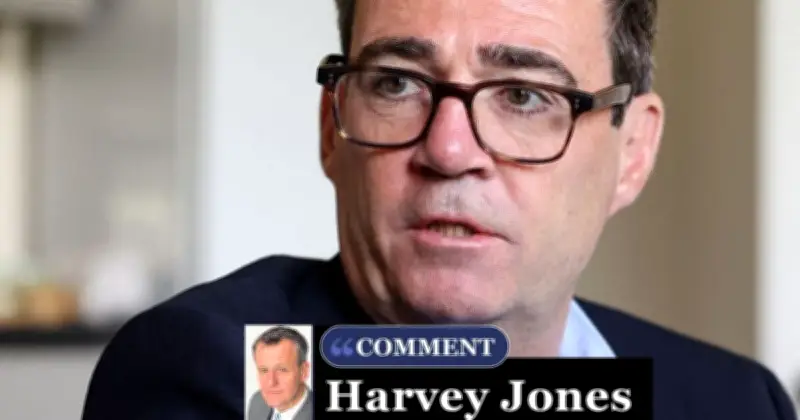
Andy Burnham's early popularity is being overshadowed by a series of negative economic indicators that are rising alongside his poll ratings. While the new Prime Minister has made a promising start, the underlying economic conditions are deteriorating, and the Labour policies he inherited are exacerbating the situation.
Economic Indicators on the Rise
Unemployment is climbing, with the rate now at 4.9%, up from 4.1% when Labour took office. Job vacancies have fallen to 707,000, their lowest level outside the pandemic since 2014. The Iran war is a contributing factor, but Rachel Reeves's decision to impose £25 billion of extra taxes on jobs has also had an impact.
The benefits bill is also increasing. The number of Universal Credit claimants with no work requirements has surged by one million in a year. Spending on benefits reached £30 billion in July, up 7.2% on the same month last year, outpacing inflation.

Public Sector Growth and Debt Concerns
Public sector pay has risen 6.1% in a year, while the private sector saw only 2.8%. The public sector has added 41,000 new staff this year, while private sector jobs have fallen by 110,000, raising concerns about sustainability.
Net debt is approaching £3 trillion, with borrowing on course to reach £120 billion this year. Chancellor John Healey is looking to add another £9 billion a year by the end of this parliament. By 2030, the national debt could head towards £3.5 trillion. Ten-year gilt yields have climbed above 5%, exceeding the 4.6% that sank Liz Truss.
Tax Burden and Future Challenges
The UK tax burden was 38% of GDP when Reeves entered Number 11, but the IMF forecasts it will rise to 42.1% by 2030. Burnham has not acknowledged the problem or pledged to tackle it, instead wanting to spend more, borrow more, and tax more.
If he continues on this path, his popularity and the economy could plunge in lockstep, leading to a crashing sound as both decline together.