

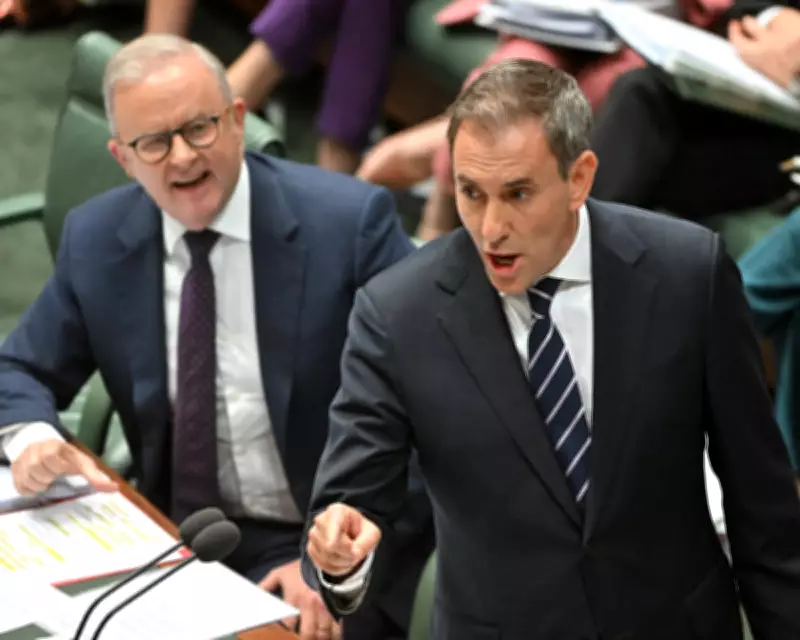
Australia's 2026 federal budget, delivered by Treasurer Jim Chalmers, marks a definitive break from the economic legacy of John Howard's government. The budget, the second under Prime Minister Anthony Albanese, prioritises social welfare, climate action, and infrastructure, signalling a shift away from the neoliberal orthodoxy that dominated Australian politics for decades.
Key Spending Initiatives
The budget allocates significant funds to healthcare, with a $5 billion investment in Medicare to expand bulk-billing and reduce out-of-pocket costs. Education receives a boost, including $3 billion for public schools and $2 billion for vocational training. Climate spending totals $4 billion, focusing on renewable energy projects and community resilience programs.
Taxation and Revenue
To fund these initiatives, the government has introduced a new tax on multinational corporations, expected to raise $2.5 billion annually. The tobacco excise has been increased, and a windfall profits tax on resource companies has been extended. Personal income tax cuts for low- and middle-income earners, promised in the 2024 budget, are maintained.

Economic Outlook
The budget forecasts a deficit of $15 billion for 2026-27, lower than previous projections, thanks to strong employment growth and higher commodity prices. GDP growth is expected to be 2.5%, with inflation moderating to 2.8%. The government has also announced a $10 billion Housing Australia Future Fund to address the housing crisis.
Reaction and Analysis
Economists have praised the budget's focus on long-term investments but caution about rising debt levels. The opposition has criticised the spending as unsustainable, arguing it risks fuelling inflation. However, Treasurer Chalmers defended the budget, stating that it 'invests in the future while managing the pressures of today.'
This budget represents a clear departure from the Howard-era emphasis on fiscal conservatism and market liberalisation. It signals that Labor is committed to a more active role for government in shaping the economy and addressing social inequalities.






