

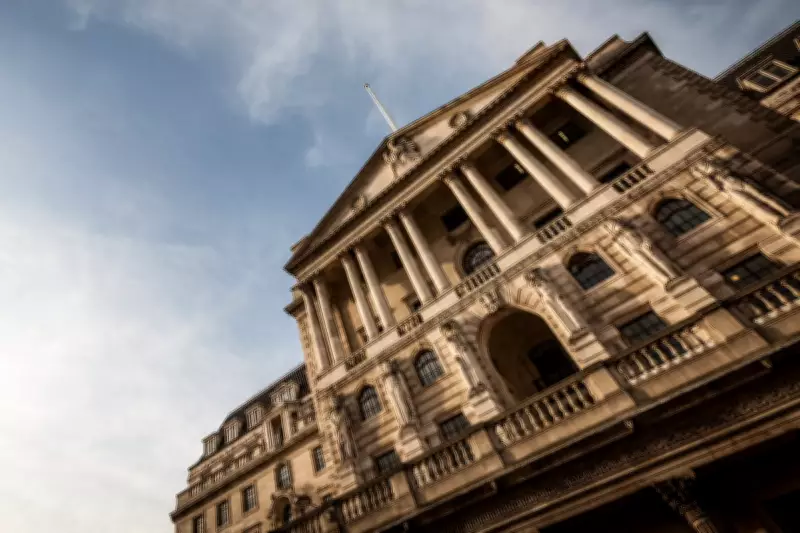
Bank of England's Interest Rate Decision: Key Factors and 2026 Outlook
The Monetary Policy Committee of the Bank of England is set to convene on Thursday, 19 February, to deliberate on interest rates, with all attention focused on their response to the ongoing war in Iran. The base rate, currently at 3.75 percent after four reductions last year, plays a crucial role in influencing business operations, consumer spending, and taxpayer obligations through mechanisms such as mortgages, loans, and savings accounts. Experts are closely monitoring the situation to forecast potential movements both in the immediate term and throughout 2026.
Will Interest Rates Be Cut?
Interest rates were lowered just before Christmas, reaching their lowest point in nearly three years, with expectations for further cuts across 2026. Until recently, there was a strong likelihood of a rate reduction in March or April, followed by a second cut later in the summer. While rates remained near-zero for an extended period thereafter, most analysts and economists now anticipate that the neutral rate—the level at which the Bank will stabilize rates to foster economic growth while curbing inflation—will be higher this cycle, potentially around 3 percent.
This suggests that only three additional cuts might occur during this cycle, with intervals between reductions possibly lengthening as rates approach the neutral threshold. However, the conflict in the Middle East has disrupted these projections, introducing significant uncertainty regarding the future direction of interest rates.

Influential Factors
The Monetary Policy Committee, comprising nine members, bases its decisions on a vote that determines whether to cut, raise, or maintain the base rate. Key considerations include employment and wage data, inflation levels across the UK, and overall economic growth. Elevated inflation typically justifies keeping interest rates high, as it can deter business investment and hiring, which in turn affects earnings and spending power. Conversely, rising unemployment and slowing wage growth reduce demand and help mitigate price increases, potentially leading to rate cuts.
Recent data indicates a deceleration in salary growth and an increase in unemployment throughout the year, factors that could prompt interest rate decreases. Additionally, external elements such as global events, over which the UK government and Bank of England have limited control, also play a role in shaping monetary policy.
What About the Rest of 2026?
Looking further into 2026, the economic landscape becomes increasingly ambiguous and subject to rapid change, as evidenced by last year's tariffs, budget uncertainties, oil shocks, and the recent developments in Iran. Sanjay Raja, chief UK economist at Deutsche Bank, noted that with the economy now on a firmer footing than expected, the impetus to accelerate rate cuts is likely lower, indicating reduced pressure on the Bank of England to implement cuts to support businesses.
Financial markets have fluctuated between anticipating only one rate cut this year and the possibility of a rate increase if the Middle East conflict persists. The next Monetary Policy Committee vote is scheduled for 30 April, adding another layer of anticipation to the ongoing deliberations.
Danni Hewson, head of financial analysis at AJ Bell, explained that just a few weeks ago, today's jobs figures would have been seen as the final green light for the Bank of England to cut interest rates once again in a bid to inject some adrenaline into the sluggish economy. However, the war in Iran has altered this perspective, forcing committee members to assess its impact on prices. Susannah Streeter, chief investment strategist at Wealth Club, added that the spectre of stagflation is hovering, with the combination of rising prices and stagnating growth posing a real threat, highlighting concerns over high energy costs dampening consumer spending and business investment.
For mortgage holders, it is important to note that many products are priced based on future expectations of interest rates, such as swap rates, meaning market changes may already be factored in. Savers, regardless of immediate rate adjustments, are advised to review the best available offers to maximize their earnings.






