

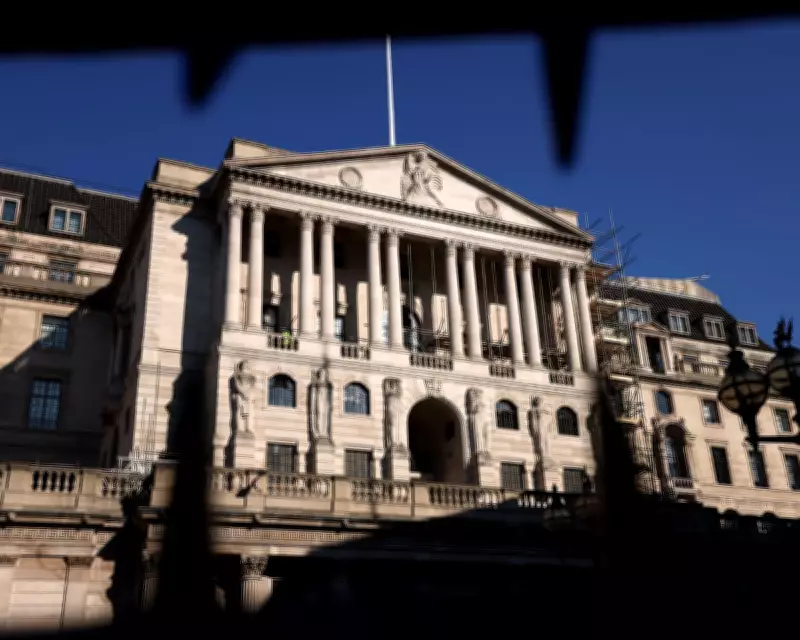
The Bank of England has opted to maintain the UK's base interest rate at 3.75% following a unanimous vote by its Monetary Policy Committee (MPC) on Thursday, 19 March 2026. This marks the first time since September 2021 that all nine committee members have voted in agreement on the rate decision.
Inflation Forecasts Revised Upwards Due to Middle East Conflict
Policymakers have significantly revised their inflation forecasts for the UK, citing the ongoing war in the Middle East as a primary driver of rising global energy prices. Governor Andrew Bailey stated that the conflict has already impacted costs at the petrol pump and warned that sustained hostilities could lead to higher household energy bills later in the year.
"The best way to tackle this is at the source by reopening energy supply lines," Bailey emphasised. He confirmed the Bank is monitoring developments "extremely closely" and "stands ready to act" to ensure inflation returns to the official 2% target.

Impact on Consumer Prices and Energy Caps
While the Consumer Prices Index (CPI) inflation fell to 3% in January, with previous MPC forecasts in February predicting a drop towards 2% from April, the outlook has now darkened. The Committee noted that recent increases in wholesale energy costs are delaying inflation's return to target, with higher fuel prices being an immediate consequence.
The MPC now expects inflation to hover around 3% in the second quarter of 2026, a sharp increase from the 2.1% forecast in February. Furthermore, elevated wholesale gas prices could feed into a higher Ofgem energy price cap from July, potentially adding approximately 0.75 percentage points to inflation over the third quarter.
Potential for Further Inflationary Pressure
Combined with the likelihood of firms passing on higher energy costs to consumers, CPI inflation could rise to as much as 3.5% in the third quarter, up from a previous forecast of 2%. The Bank warned that even a short-lived conflict is likely to keep energy prices elevated for a sustained period, with escalation posing further inflationary risks.
Events over the next six weeks are expected to provide clarity on the war's duration and its ripple effects, particularly concerning the supply of oil, gas, and other commodities like fertiliser produced in the Middle East.
Monetary Policy and Market Implications
In his rationale for holding rates steady, Governor Bailey stressed that while monetary policy "cannot reverse the shock to supply", it must "respond to the risk of a more persistent effect on UK CPI inflation". This cautious stance comes as Britain's largest lenders have been increasing mortgage rates in recent weeks, with hundreds of homeowner deals disappearing from the market, reflecting broader financial market tensions.
The Bank's decision underscores a delicate balancing act between supporting economic stability and combating inflationary pressures exacerbated by geopolitical unrest, with policymakers poised to adjust their approach based on evolving global conditions.






