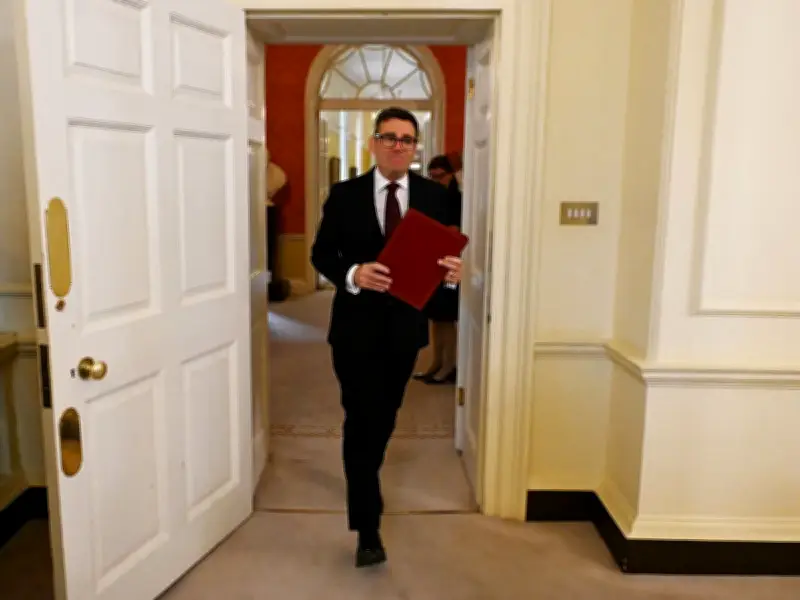
Prime Minister Andy Burnham has ruled out plans to increase the tax-free personal allowance, according to the BBC. The £12,570 threshold has been frozen since 2021, dragging more people into paying tax as wages rose.
Burnham had previously hinted at raising the allowance to ease the cost-of-living crisis. In an interview with The Times, he said the five-year freeze was “the thing I heard the most on the doorsteps” during the Makerfield by-election campaign. “So when people, they’re just characterising me as a tax raiser, well again it’s never that simplistic is it? The breathing space point is a really serious one. How do we just make people feel better?”
No immediate plans for threshold change
Despite those comments, the BBC reports that any increase is not part of his initial plan. Burnham says he will “stick by” Labour’s 2024 manifesto, which pledged not to raise income tax, National Insurance or VAT on “working people”. He has suggested there is “some room” for “movement on tax”, but no immediate action on the threshold.
First major policies announced
Burnham has made two major announcements in his first days as PM. From October 1, VAT will be removed from domestic electricity bills. The £850 million tax cut, funded by cancelling the Digital ID programme, is expected to reduce the annual Ofgem price cap by around £45.
“I said I wanted to give people breathing space, and that’s what I’m announcing on my second day as Prime Minister,” Burnham said. “We’re taking immediate action to cut taxes on energy bills, put more money in people’s pockets and bring back hope.”
Chancellor Healey said the measure would “give families some breathing room on bills, and provide some reassurance this winter”, adding it would help bring down inflation.
Bus fare cap extended
Number 10 also announced a £2 cap on single bus fares across England from January. The nationwide cap is currently £3 until March 2027, though some areas – including London and Greater Manchester – already have lower rates.
“Good, affordable transport links are an essential,” Burnham said. “No one should be priced out of those and left behind. But for too long people have said that cheaper transport isn’t an option. I don’t accept that. I’ve done it before and I will do it again now: a £2 cap on bus fares for millions across the country. Lower fares will help people get to where they need to – giving them breathing space to help with the cost of living.”
The measure is backed by £454 million of funding – including money for devolved governments to take similar action. Some £400 million will come from switching international climate finance to loans, with the rest from savings in the Department for Energy Security and Net Zero budget. The total cost is expected to be over £500 million, with the remainder from existing Department for Transport bus funding. The £2 cap will be in place throughout 2027, reversing an increase introduced by Sir Keir Starmer and Rachel Reeves in 2024.