For decades, Ukraine's super-rich businessmen, known as oligarchs, have wielded enormous economic and political power. However, since the Russian invasion, they have lost billions in revenue, raising questions about whether their reign has ended.
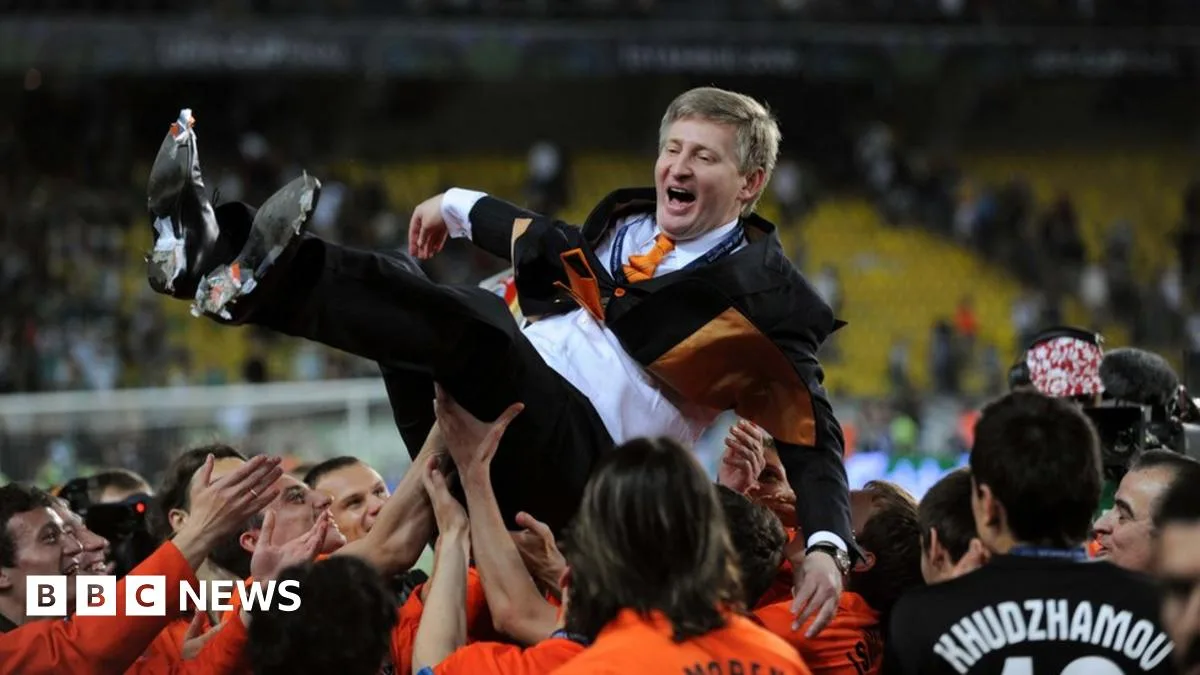
Rinat Akhmetov, Ukraine's richest man at 56, epitomises the oligarch. The son of a coal miner turned self-made billionaire, he owns vast steel and coal assets in the east, including the ruined Azovstal steelworks, and Shakhtar Donetsk FC. He also recently surrendered his media licences to avoid being listed under Ukraine's 'de-oligarchisation' law.
The war has intensified losses for the super-rich. President Zelensky's 2021 law defined an oligarch as meeting three of four criteria, including involvement in political life and owning a monopoly. Those listed face extra checks and are banned from funding political parties.
Sevgil Musayeva, editor-in-chief of Ukrainska Pravda, says: 'This war is the beginning of the end for oligarchs in Ukraine.' Serhiy Leshchenko, adviser to Zelensky's chief-of-staff, adds: 'The de-oligarchisation law was one of the first major triggers of their demise. But as the war escalated, it made the oligarchs' life even more difficult.'
However, the survival of democracy in Ukraine depends on the war's outcome and the strength of civil society and anti-corruption institutions to prevent new oligarchs emerging.