

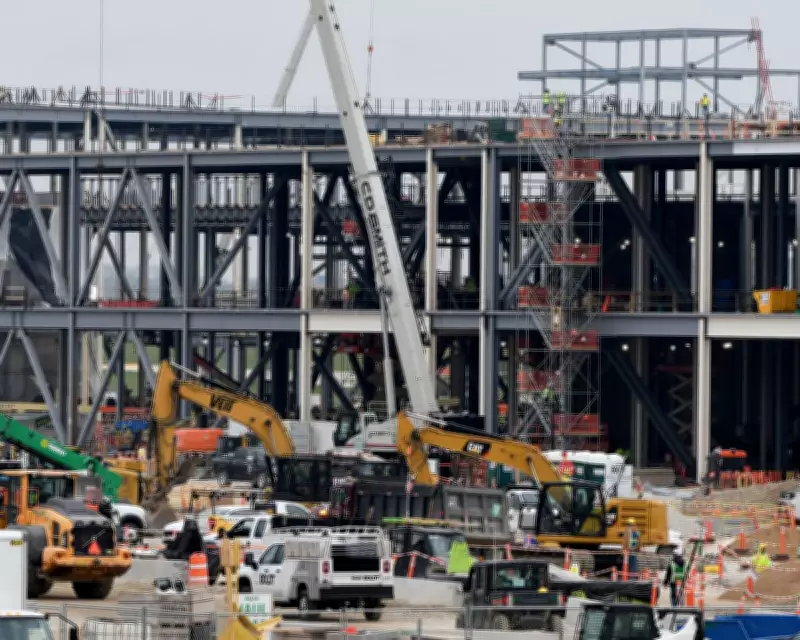
The rapid expansion of artificial intelligence is driving a surge in datacenter construction, sparking local resistance across the United States. These facilities, essential for powering the internet and AI systems, are consuming vast amounts of electricity and water, driving up utility bills for residents and straining community resources.
Local Communities Push Back
A recent Gallup poll found that seven in 10 Americans oppose building AI datacenters in their neighborhoods, with many preferring a nuclear power plant nearby. In Fayetteville, Georgia, residents discovered a datacenter had used 30 million gallons of water without payment, causing low water pressure. Similar concerns have emerged in Ypsilanti Township, Michigan, where the University of Michigan plans a $1.2 billion AI and nuclear weapons research datacenter. Township officials voted for a one-year moratorium on water and sewer services pending environmental studies, prompting the university to claim discrimination against datacenters.
Industry Response and Legal Tactics
Venture capitalist Kevin O'Leary dismissed protesters as paid agitators, while some industry figures advocate for legal personhood for AI systems. The University of Michigan's legal threat argued the moratorium unlawfully singled out datacenters, echoing broader corporate personhood trends. Since the 2010 Citizens United ruling, corporations have gained expanded rights, including political speech and religious exemptions, as seen in the Hobby Lobby and 303 Creative cases. Critics warn that extending such rights to datacenters could harm human interests.

AI datacenters consume 6% of electricity in the UK and US, projected to reach 14% of US demand by 2030. Bloomberg reported a 76% rise in power prices on the largest US grid in early 2025 due to datacenter demand. The New Yorker noted that utilities sought nearly $30 billion in rate increases in the first half of 2025, largely passed to retail customers.
OpenAI CEO Sam Altman acknowledged uncertainty about datacenter placement, suggesting they might end up in space. Meanwhile, residents continue to voice concerns about noise, pollution, and resource diversion. The industry's defensive posture and legal strategies suggest a growing battle over datacenter rights and community impact.






