
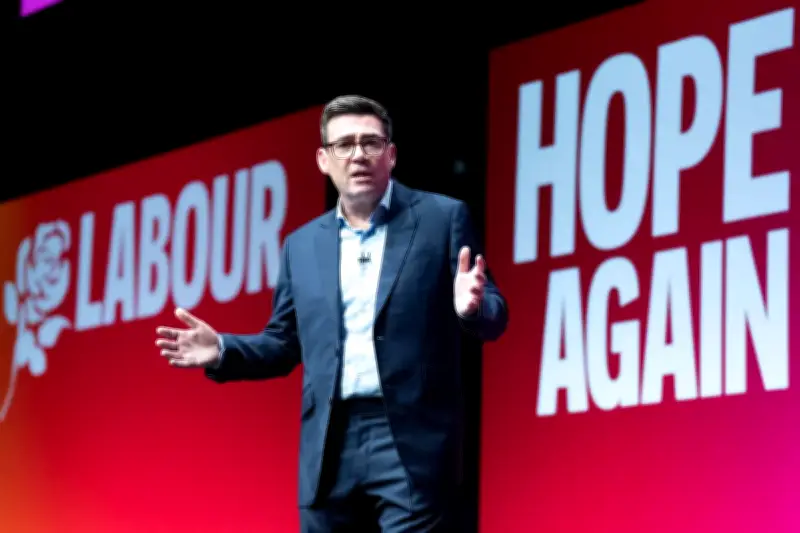
Labour has announced plans to adjust the state pension triple lock from April 2030, a move experts say could help make the system more sustainable while acknowledging the policy's role in improving pensioner living standards.
Prime Minister Andy Burnham, speaking at the Labour conference, said the state pension "will hold its value relative to earnings over time so that pensioners will always share in the rising prosperity of the nation".
Reformed triple lock from 2030
Under the plans, the state pension will continue to rise every year by at least CPI inflation or 2.5%. The door would remain open for it to rise by more than this in some years, ensuring the state pension holds its value relative to average worker earnings.
The current formula increases the state pension each year by whichever is higher: CPI inflation, 2.5%, or earnings growth. State pensions are already expected to equate to around 30% of average earnings by the end of the decade.
The overhaul is intended to help fund a new National Care Service in England.
Experts weigh in on the changes
Adam Cole, a retirement specialist at wealth manager Quilter, said the triple lock "has undoubtedly succeeded in improving pensioner living standards and protecting retirees through periods of high inflation, but growing longevity, demographic pressures and rising state pension costs mean questions about its long-term affordability and sustainability can no longer be avoided".
He added that the state pension accounts for almost a quarter of retirement income on average, while among retirees aged 65 to 79 with incomes of £25,000 or less, it provides 57% of their retirement income. For over-80s on below-average incomes, it accounts for 54% of what they live on.
Rachel Vahey, head of public policy at AJ Bell, said spending on the state pension is now £16 billion per year higher than it would have been in the absence of the triple lock, according to Institute for Fiscal Studies (IFS) figures. She noted that moving away from the triple lock means reducing the cost of future state pension increases.
Mixed reactions from pension bodies
Jonathan Cribb, deputy director at the IFS, said the reformed triple lock from 2030-31 "is not perfect, but it is a substantial improvement on the status quo". He added that the Prime Minister "should be commended for grasping the nettle and helping to put the state pension system on a more secure and sustainable footing".
Maike Currie, VP personal finance at PensionBee, described the change as "a trade-off: pensioners giving up the protection of the earnings element of the triple lock in return for greater protection from potentially catastrophic care costs".
Zoe Alexander, chief policy officer at Pensions UK, said the triple lock "has played an important role in restoring the value of the state pension", but the organisation has recognised for some time that it would eventually need to end.
Caroline Abrahams, charity director at Age UK, welcomed the commitment to social care reform but said "much will depend on where we are by 2030, including what level the state pension has reached by then". She stressed that "pensioner poverty has not been vanquished" and that protecting vulnerable older people "should be the ultimate test of this Government's reforms".




