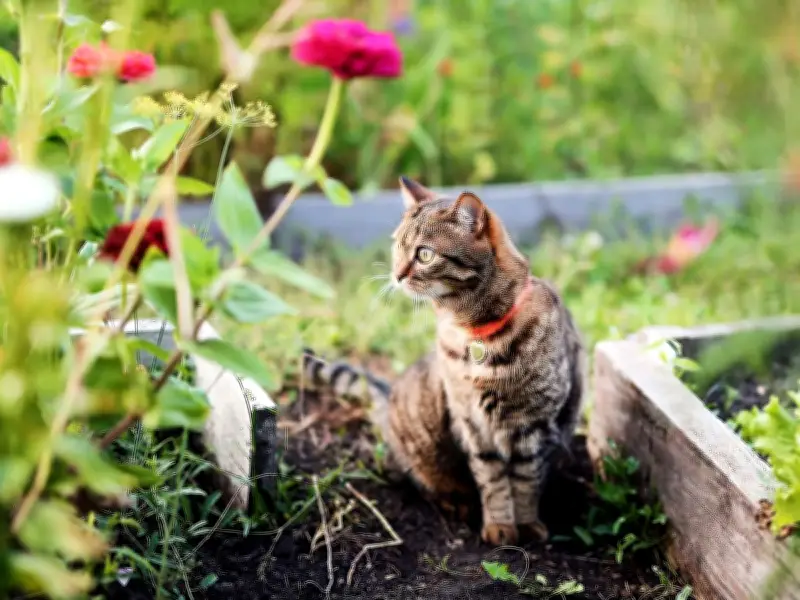
When a neighbour's cat treats your garden as its toilet, it can be deeply frustrating and may strain relations with the owner. However, the degree of legal protection you have in this situation is more complicated than it first appears.
Unlike dogs, there is no general legal requirement in England or Wales for pet cats to be kept under control or confined to their owner's land. Government guidance gives cats a recognised right to roam, meaning a cat entering your garden is not, on its own, unlawful. The charity Cats Protection says cats naturally explore their surroundings and no law prevents them from crossing into neighbouring gardens.
Cat fouling by itself usually does not give rise to legal action against the owner, according to Citizens Advice. The organisation says many neighbour disputes are best handled through an informal conversation before taking further steps.
How to discourage cats humanely
If the problem continues, homeowners have practical options. The RSPB recommends covering freshly dug soil, using prickly plants or twigs around flowerbeds, and removing food sources that may encourage cats to return.
Cats Protection advises against any method that could hurt or distress cats, instead suggesting humane deterrents such as motion-activated sprinklers or making the area less appealing as a toilet.
Risks of harming or trapping a cat
The RSPCA cautions that deliberately harming or trapping a healthy cat without lawful authority could raise animal welfare concerns and may result in legal consequences. Taking matters into your own hands can therefore be risky.
If talking to the neighbour fails and the disagreement widens, Citizens Advice says independent mediation can often help both sides reach an agreement without expensive legal action.
When councils might step in
Environmental health departments generally become involved only where there is evidence of a statutory nuisance, and occasional cat fouling in private gardens is unlikely to meet that threshold. Under government guidance, councils assess nuisance complaints against strict legal tests before taking enforcement action.
Ultimately, there is no simple legal remedy for a neighbour's cat using your garden as a toilet. The best route is usually a polite conversation with the owner, humane deterrents recommended by animal charities and organisations, and mediation if the dispute cannot be resolved informally.