Valentine's Day with Pets: Half of Gen Z Prefer Canine Companions to Partners
In a striking shift from traditional romantic celebrations, new research indicates that half of Generation Z would rather spend Valentine's Day with their pet than with a human partner. This trend reflects a broader cultural movement where animals are increasingly viewed as surrogate family members, offering unconditional affection and companionship.
A Special Date at London's Love My Human Townhouse
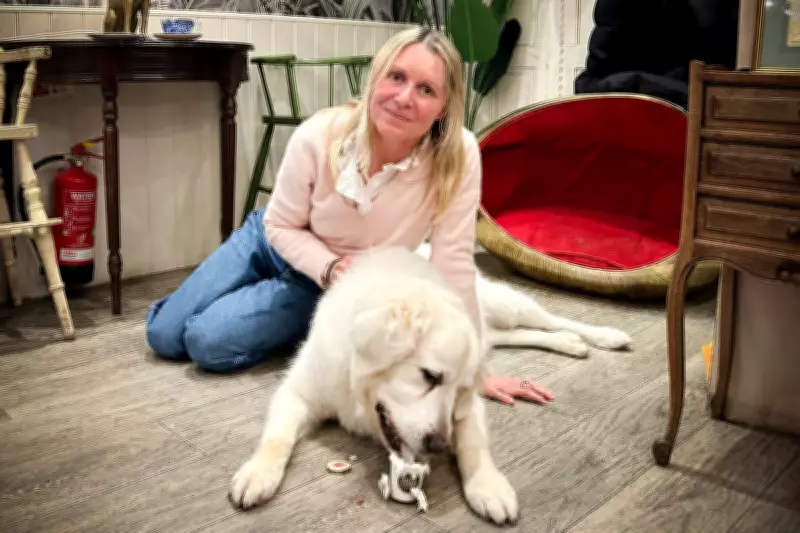
Charlotte Cripps, a journalist who embodies this trend, recently treated her 11-year-old golden retriever Muggles to an elaborate Valentine's Day date. She booked a table at Love My Human Townhouse, an upscale dog-friendly cafe on London's King's Road, frequented by notable figures like James Middleton. The establishment prides itself on serving meals crafted from human-grade ingredients by a qualified dog nutritionist.
"I wanted to honour Muggles, as he's been with me through thick and thin," Cripps explained. She adorned him with a Valentine's bow tie and ordered "The Dog's Bollocks" – a dish of turkey, rosemary, and thyme meatballs with roasted butternut squash puree, cauliflower, and mint, priced at £8.50. For dessert, Muggles enjoyed a lactose-free "Loaded PupCup" made with whipped coconut cream and goji berries, accompanied by a bacon, blueberry, and coconut biscuit.

Research Highlights Changing Attitudes
A 2025 survey by Burns Pet Nutrition underscores this phenomenon:
- 50% of Gen Z prefer pets over partners on Valentine's Day.
- 25% claim their pets show more affection than their significant others.
- 10% rate their pet's manners higher than their partner's.
- Nearly 50% buy Valentine's gifts for their pets, with 10% spending £50-£100.
In the US, the National Retail Federation reports that over a third of Valentine's celebrants now purchase presents for pets, up from 19% a decade ago, with average spending more than tripling. This aligns with UK data showing one in three neighbourhoods has more pet dogs than children, as declining birth rates and delayed parenthood fuel the rise of "surrogate kids."
The Emotional Bond Between Humans and Pets
Cripps's connection to Muggles is deeply personal. She acquired him three days before her partner Alex died by suicide in 2014, during their IVF journey. "In my grief, Muggles became my support blanket," she shared. He helped her through the loss, and she later had two children via IVF using Alex's banked sperm. Despite the children taking centre stage, Cripps emphasises that Muggles remains a crucial emotional anchor, offering comfort during difficult times.
Scientific studies support such bonds. A 2024 report in Scientific Reports found that 54% of dog owners, termed "dog parents," view their pets as pseudo-children, fostering human-like relationships. Similarly, a 2024 Kennel Club survey revealed almost half of dog owners prefer spending time with their pet over dating.
The Realities of Pet-Centric Celebrations
While "dating" your dog offers a low-key alternative to pressured human relationships, it isn't always seamless or inexpensive. Cripps's outing cost £46 for food plus £110 for grooming, totalling £156. During the date, Muggles's exuberance led to spilled puppuccino and a dramatic collapse on the floor, prompting concerned looks from other diners.
"It wasn't the perfect date I'd imagined," Cripps admitted, but they ended the day cuddling at home for a movie night with her kids. Others opt for more affordable alternatives, such as baking dog treats, going on romantic walks, or learning dance moves from canine freestyle videos online.
Broader Implications for Society
This trend reflects evolving social dynamics, where pets fill emotional gaps in an increasingly complex dating landscape. Valentine's Day, often associated with financial strain and loneliness, becomes more manageable with furry companions. As Cripps concluded, "A date with my dog is all I can handle right now," highlighting how pets provide stability and joy amidst life's challenges.

If you are experiencing distress, support is available through organisations like the Samaritans in the UK or the 988 Suicide and Crisis Lifeline in the US.