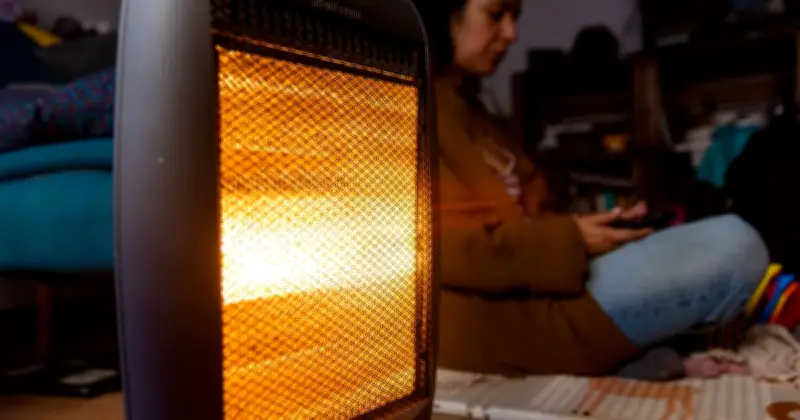
Energy firm Utilita has issued a warning to households using electric heaters this winter, saying the portable devices could push up bills significantly compared with gas central heating.
Heaters cost up to 3.7 times more to run
As part of its Power Price List series, which reveals the average running costs of 76 commonly used household electricals, Utilita researched how many households with gas central heating still opt for an electric heater. It found that running costs for heating one room range between 3 and 3.7 times more than using gas.
The firm found that a “concerning” 15% of those who choose a plug-in heater over central heating said they do this all winter, leaving their central heating off completely.

Average costs and emissions revealed
Dimitrios Stefanoglou, a sustainable innovation analyst at Utilita, said: “Around half (51%) of the households that use portable electric heaters said they would struggle to calculate the running costs of a heater versus using gas central heating for one room. So we have done the work for them.”
He added: “Plug-in heaters cost significantly more to operate – on average, running an electric portable heater will cost £3 per day, compared to just £0.90 per day for gas central heating. They cost between 3 and 3.7 times more to run, on average.”
Heating the average living room (17.1m²) with an electric portable heater would cost £400.46, compared to £136.17 a year with a 20-year-old boiler, or £108.65 with a new gas boiler equipped with smart controls.
Environmental impact
Utilita’s Power Price List database also looks at the impact on the pocket and the planet. It adds: “Electric heaters are power hungry, so switching from gas heating to electric portable heaters will result in an additional 34 kg of CO₂ emissions per living room per year. This translates to each household driving 127 additional miles in a car.”