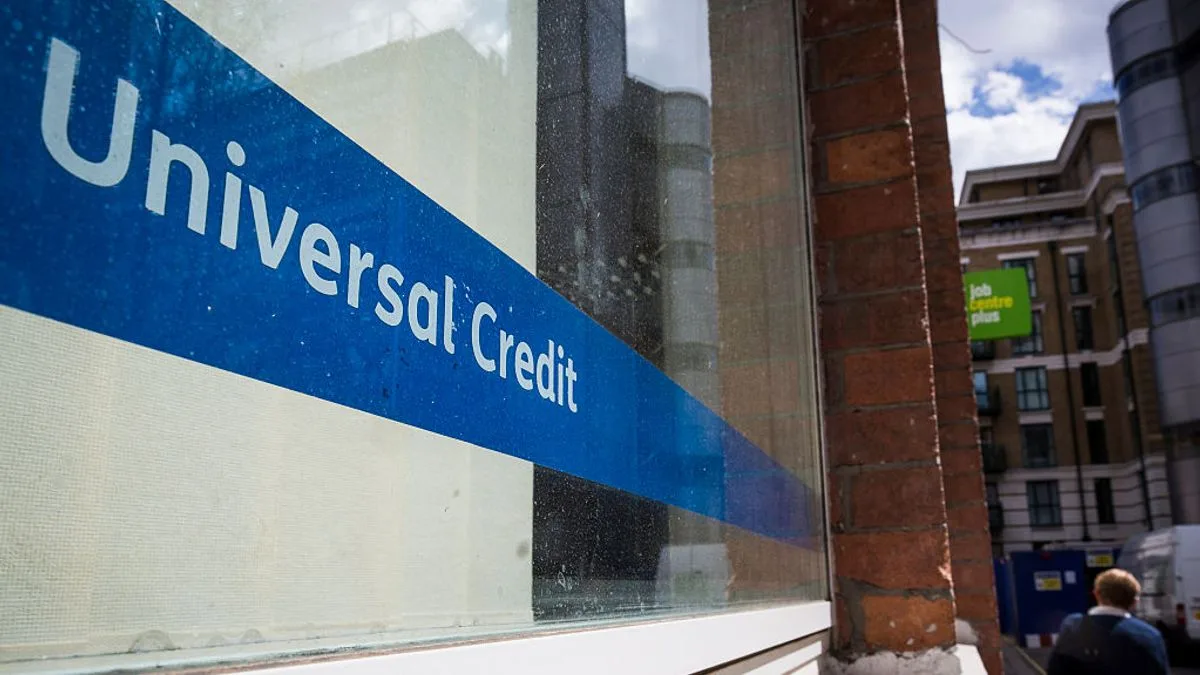
Universal Credit Claimants to See Payment Increase in May or June 2026
Universal Credit Payments Set to Rise in May or June 2026

Universal Credit claimants are set to see a change in their payments this May or June, with many receiving an increase of up to 6.1%. This follows the Department for Work and Pensions (DWP) benefit rate rise implemented in April 2026. However, due to the 'first full period' rule, not all claimants will receive the increase immediately.

How the Increase Works

Each year, benefit rates are increased on April 6, the start of the new tax year. For most benefits, this increase appears in the next payment. However, Universal Credit operates on assessment periods, typically lasting four weeks, with payments made one week after the period ends. The 'first full period' rule means claimants must have a full assessment period starting after the new rates take effect to qualify for the higher amounts.

Claimants whose assessment period began just before April 7 will likely see the increase in June, while those with periods starting after April 7 will get it earlier in May.

Wide Pickt banner — collaborative shopping lists app for Telegram, phone mockup with grocery list

Examples of Payment Timing

  • Sarah's scenario: Assessment period starts April 4, ends May 3, payment due May 10 (old rates). Next period starts May 4, ends June 3, payment due June 10 (new rates).
  • Jack's scenario: Assessment period starts April 8, ends May 7, payment due May 14 (new rates).

Turn2Us, a benefits advice website, explains: "For many benefits, the new rates take effect from 7 April. However, for some Universal Credit claimants, increased rates will take effect around June because the new rate won't be paid until the first assessment period that begins on or after 7 April."

Additional Increase for Universal Credit

In addition to the standard inflation-linked rise of 3.8% for 2026/2027, Universal Credit is receiving an extra 2.3% increase to the standard allowance, bringing the total standard rate increase to approximately 6.1%. This adjustment aims to "rebalance" Universal Credit rates by increasing the basic standard allowance for all claimants while reducing additional payments for most new claimants with disabilities or health conditions affecting work capability.

Parliamentary papers indicate that by 2029/2030, the Universal Credit standard allowance will be 4.8% higher under this change than it would have been under normal rules.

Claimants are advised to check their assessment period dates to determine when their payment increase will take effect.

Pickt after-article banner — collaborative shopping lists app with family illustration