UK retail sales rose 0.7% in October, rebounding from a 0.6% decline in September, as shoppers rushed to buy stockpiling essentials following government guidance, according to the Office for National Statistics (ONS).
The increase defied expectations of flat growth and came alongside a modest improvement in consumer confidence. The GfK index climbed two points to -22 in November, having fallen to its lowest level since Brexit in October.
Stockpiling drives supermarket demand
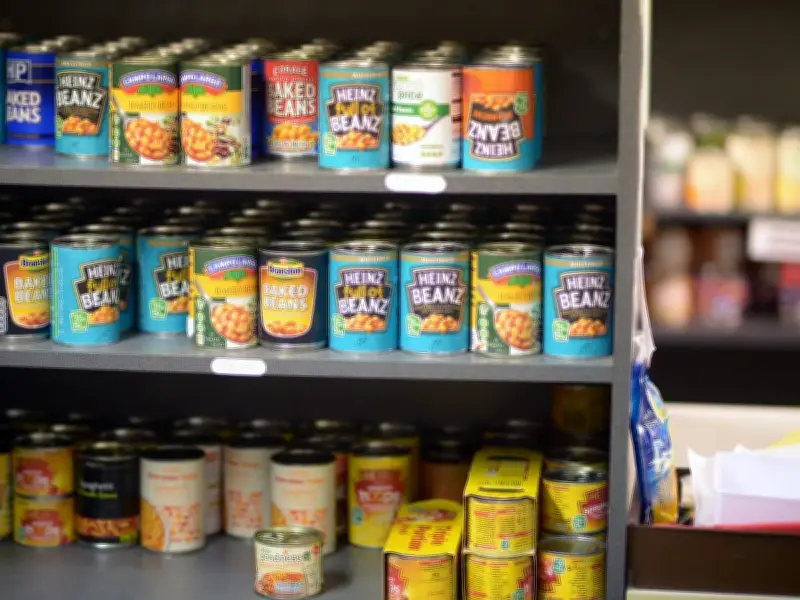
Last month's surge was fuelled by heightened demand in supermarkets for "emergency items such as UHT milk and tinned goods," ONS analysts said. This follows the government's launch of its 'Be Ready' campaign last month, which encouraged Britons to accumulate a three-day supply of tinned food and bottled water in case of a cyber attack or extreme weather event.
Supermarkets have reported increased spending on long-life products following the stockpiling guidance. Tinned tuna manufacturer Princes said earlier this month it has witnessed "an increase in demand" for its products.
Non-food sales and clothing growth
Non-food sales climbed faster than the overall rate, rising by 1.1%, propelled by greater spending on art galleries, sports equipment and toy shops. The ONS said in-store clothing sales grew in October, as shoppers purchased more items per visit after their spending was restricted in September due to "inventory issues" at some major retailers.
Sandra Prince, head of corporate consumer at Lloyds, said: "While this might be a short-term spike, it shows how quickly shoppers react to changing circumstances. Interestingly, some retailers are now rethinking traditional seasonal stock and moving towards more frequent monthly adjustments to reflect the changing weather conditions."
Retailers face festive season challenges
Rajeev Shaunak, head of consumer at consultancy MHA, suggested that October's stockpiling boost is "probably a one-off which hides the challenges facing retailers as they head into the crucial festive trading season." He added: "Squeezed budgets and fragile consumer confidence leave little room for spending beyond the essentials. Black Friday may tempt shoppers to open their wallets, but a rush for discounts is not the same as a recovery in demand."
Following October's "dramatic" deterioration, November brought "some welcome relief," said GfK consumer insights director Neil Bellamy. He added: "That should reassure manufacturers and retailers ahead of the crucial Black Friday and Christmas trading period that there are still people out there willing to spend. Perceptions of the wider economy have also improved."
However, GfK's consumer confidence and purchasing indices continue to sit in deeply negative territory, indicating that "confidence remains fragile and vulnerable to further economic pressures in the months ahead," Bellamy said.