UK households face potentially significant increases in energy bills over the next decade as the transition to net zero becomes increasingly costly. Boston Consulting Group (BCG) has indicated that high prices are reducing electricity consumption, which in turn makes renewable subsidies and grid upgrades a larger share of power bills, according to The Telegraph.
Projected rise in electricity bills
BCG calculations suggest that the average household electricity bill will increase by £264 by 2030, reaching £1,145, if demand continues to decline. This is attributed to a spike in net zero spending.
Raoul Ruparel of BCG commented: "There is a focus on the destination – how we will generate energy in the future – but that is less relevant if the path to get there is too costly." He added: "Britain isn't an outlier because our system is more expensive: it's largely because of how we've chosen to pay for it."

EDF analysis on total bills
Separate analysis by energy supplier EDF found that household energy bills will rise by nearly £130 by the end of the decade as the costs of the Government's net zero policies increase. Typical annual household bills are projected to reach £1,790 by 2030, an 8% increase from the current £1,663. This is partly due to green levies and grid upgrades.
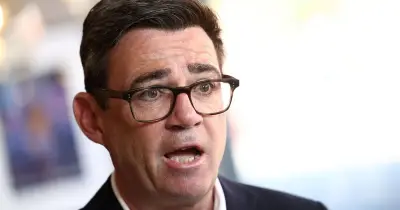
The latest EDF estimate is £40 higher than its previous forecasts, despite Labour's pledge to cut energy bills by £300. During the 2024 election campaign, Sir Keir Starmer repeatedly promised that Labour would reduce household energy bills by £300 by the end of the decade. Andy Burnham, who became Prime Minister in July, has expressed a desire to give people a "sense that help is coming" on prices.
Immediate price cap increase expected
Currently, more than one in three households are expected to struggle to afford their energy, just as bills are set to hit a three-year high. Experts predict that regulator Ofgem will announce another 4% increase in its price cap for tens of millions of households from October 1, taking typical bills to £1,941 a year. The latest increase is fuelled by the ongoing conflict in the Middle East.