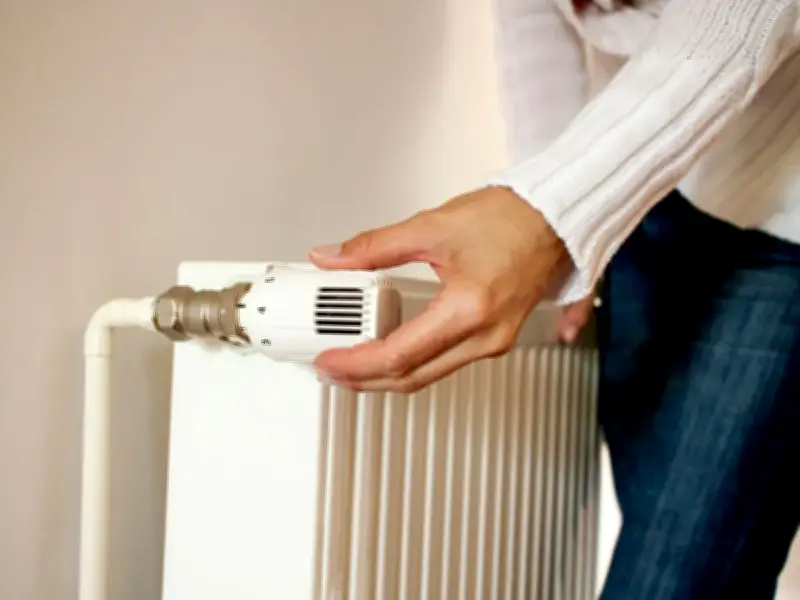
With the energy price cap set to rise again, households across the UK are being urged to put their heating on this week to make sure it is working properly before colder weather arrives.
Ofgem has confirmed the price cap will increase from £1,663 to £1,723 a year from October 1. As costs continue to climb, it is important to ensure homes are running as efficiently as possible.
Why you should test your heating now
Rob Nezard, heating expert at UK Radiators, said: "The worst time to discover your heating isn't working efficiently is the first properly cold week of the year, when everyone else is switching theirs on too."

He is recommending everyone put their heating on this week to ensure everything is working properly. If any issues are noticed, it is cheaper and likely faster to get them fixed now, before demand rises in the winter.
Nezard said: "Put the heating on and physically check every radiator. You're looking for radiators that aren't warming up, have cold areas or take significantly longer than others to heat. Doing this now gives you time to identify problems rather than discovering them when you actually need the heating."
How to bleed a radiator
If you have noticed cold spots, it may be a simple fix. Trapped air could be preventing hot water from circulating properly, and all it needs is to be bled.
Nezard said: "Bleeding a radiator is one of the simplest bits of winter preparation, but people often wait until December to think about it. If you've got cold spots at the top of a radiator, deal with them before you're relying on the heating every day."
You will need a radiator key or flathead screwdriver, an old towel or rag, and a small container or cloth.
First, turn off all the central heating and wait for the radiators to cool down completely. Place a cloth or container under the bleed valve on the side of the radiator to catch drips, then insert the radiator key or screwdriver into the square centre of the bleed valve.
Turn it slowly anti-clockwise and listen for the hissing sound as air escapes. When the hissing stops and water starts to leak or spurt out, turn the key clockwise to close the valve firmly. Do not overtighten it.