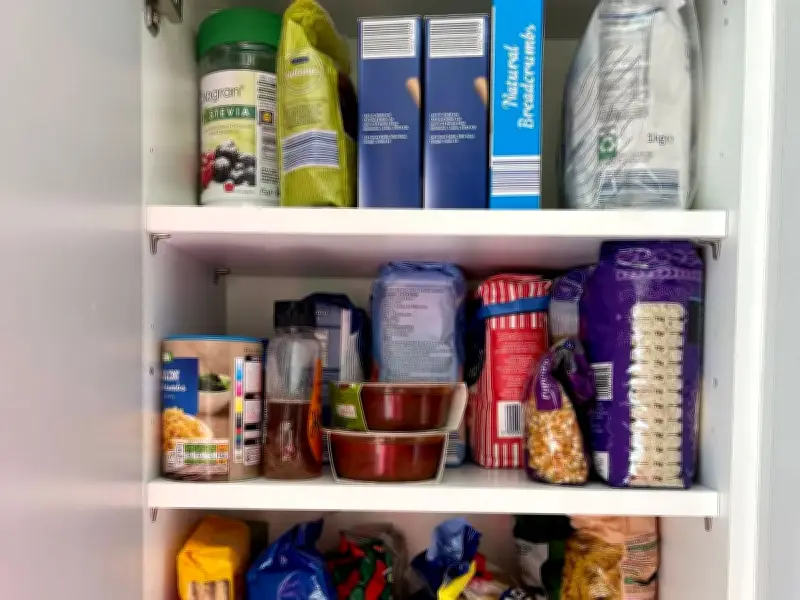
The UK government is urging households to prepare for severe weather and cyber attacks, and nutrition experts have shared a list of 15 essential food items to stockpile now.
Official guidance from the government advises residents to obtain bottled water for three days, equating to three litres per person per day for drinking purposes. Additional supplies would be required for cooking and washing. For food, it is recommended to stock non-perishable items for three days, including tinned meat, fish or vegetables, dried fruit and nuts.
Government's Be Ready campaign
The government's "Be Ready" campaign cautions that severe weather and cyber attacks could disrupt essential services, and UK households need to ensure they have what is necessary to survive a difficult few days. Just this week, a cyber attack targeted supermarket fridges, resulting in tonnes of food being spoiled.
Prime Minister Andy Burnham said unexpected events "seem to becoming more common" and everyone should have "those supplies in the house to get you through those moments". The UK has been described as "light years" behind its neighbours when it comes to preparing for major disruption.
The 15 essential food items
The BBC Good Food Guide offers the following suggestions for stockpiling:
- Beans – baked beans are recommended, as well as cooked chickpeas, peas and lentils.
- Packs of rice and grains – most rice brands sell packs of pre-cooked rice.
- Tinned fish and seafood – suggestions include sardines, mackerel and tuna, as well as trout, pollack, cockles and whelks from Sea Sisters.
- Pickles and olives – cornichons, gherkins, pickled cauliflower and carrot, sauerkraut, kimchi, onions – all likely to make a plate of food more appealing. Ensure they do not require refrigeration after opening.
- Condiments – mustard, chilli oil and chilli crisp, ketchup, soy sauce, flavoured oils. Go easy on anything salty that will make you thirsty.
- Meze style dishes in tins – stuffed vine leaves, baba ganoush, gigantes beans.
- Tinned and jarred veg – from white asparagus, artichoke hearts and mushrooms to red peppers, bamboo shoots and peas.
- Tinned, jarred and dried fruit – these provide valuable nutrients and contribute towards your five-a-day.
- Cereal and long-life milk – the BBC said: "Buy smaller cartons of milk to open for each meal. It goes without saying that some cereals are better for you than others; you could always stock some fun stuff to use as a sprinkle. Granolas and mueslis heavy in nuts, seeds, dried fruit and grains would fill you up well. Tins of evaporated milk that you can let down with water might also be an option, if you like it."
- Peanut butter and jam – "Peanut butter (and other nut butters) was a strong choice from most people we asked, though obviously not if anyone in the house has a nut allergy. PBandJs are popular. Ollie reckons you could do three days on peanut butter and banana sandwiches, if necessary (he has festival experience)."
- Chocolate – for morale.
- Bread, wraps and oat cakes – bread has a relatively short shelf life, but wraps last considerably longer provided the packaging is properly sealed. Oat cakes serve as a reliable accompaniment to the majority of tinned and jarred goods.
- Tinned meat – fish is the preferable option and, in most instances, contains less salt and fewer preservatives, "but if you don't like it, think about canned meat that tastes good cold".
- Condensed milk – "For treats and desperate times."
- Cheese – hard cheese will keep for a reasonable length of time provided it is stored somewhere cool.
It is best to purchase food you would ordinarily eat. The guidance aims to ensure households are prepared for serious disruptions to essential services.