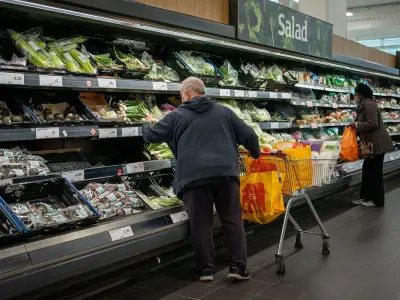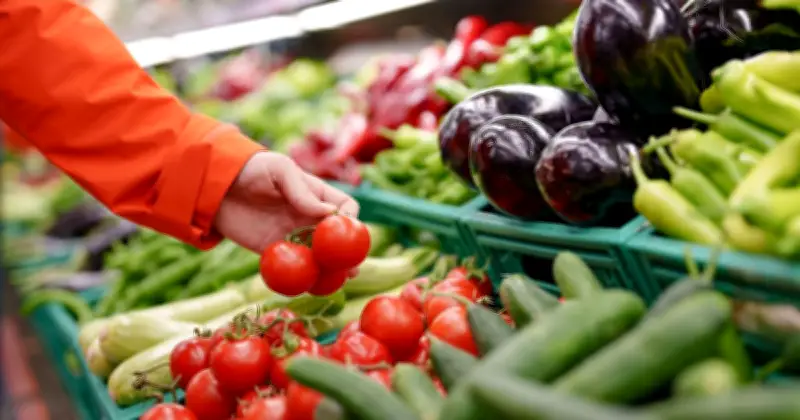
Fruit and vegetable prices have been driven up by the record-breaking heatwaves across the UK this summer, with greengrocers warning of further inflation over the next 12 months. The unprecedented hot weather has stunted crop growth and significantly increased operating costs for farmers across the country.
Hottest summer on record
According to data released by the Met Office, summer 2026 was the UK's hottest on record. The average mean temperature across June, July and August reached 16.5C, breaking the previous record of 16.1C in 2025. Extreme heat and depleted water reserves have caused fruit and vegetable prices to rise, with further increases projected in the near future. Experts say the true impact of this summer's failed harvests will be felt during the next year.
William Thorogood, the director of Rushton's Green Grocer, a wholesale fruit and vegetable supplier founded in London in 1997, told the Daily Express: "Pricing has been an issue in the last couple of months but the effect is really going to be in the next 12 months. That’s going to be more of an issue as products like potatoes and onions for next year are going to be more expensive."

Cauliflowers hit hardest
According to Mr Thorogood, brassicas, such as cauliflowers and broccoli, have been hit the most by price rises due to a lack of availability this summer. He said: "Cauliflowers could have been 50p or 60p each but they went up to £3 which is quite a jump. There’s always some volatility but that is fairly extreme."
The industry expert now expects items such as potatoes to be "more expensive at Christmas time". He explained how growers have been impacted by the heat and a lack of water availability this summer. "The issue this summer has been the heat. Growers have had to use a lot of water to keep things alive rather than keep them growing," he explained.
"When it gets super hot, things just stop growing so you’re watering them to stop them from wilting and dying. From a water perspective, things need water to grow and if it’s not raining then you have to do that manually which is very expensive and the majority of farmers don’t have the reserves to put on enough water for this prolonged period of drought. This means that yields have been significantly lower and the sizes of crops, like potatoes, are a lot smaller."
Import reliance and supply gaps
The UK imports around 80% of its fruit and 47% of its vegetables, meaning domestic shortages cannot be covered without relying on countries such as Spain and Italy. This pushes import costs even higher and industry experts are now concerned about the future of British growing.
Mr Thorogood explained: "We import a lot as a country, but as a company we specialise in quality British produce from UK growers. It's certainly an industry in decline from that point of view." He continued: "The issue is going to be where produce is further ahead than it normally is at this time of year, and where people don’t have the water that they would usually expect to have at this time of the year in reservoirs, there could be a gap between where the UK produce is finishing early which will impact supply. A lot of the supply now moves to Spain, Morocco and Italy and places like that, and there could be a gap between the UK finishing and them starting."
Call for water storage investment
The British Growers Association is now calling for more space to store water across the UK, including farm reservoirs. The association is asking for long-term investment to ensure food security in Britain. John Walgate, the CEO of the British Growers Association, said: "We have enough water in the UK with winter rainfall, it’s all about how we store and use it. What we need is more winter storage, easier planning and licences to fill on farm reservoirs. This will also help alleviate winter flooding."

The association has also warned that British shoppers could see "gaps on shelves more often" as a result of the hot weather. They say the answer to a drop in supply is "utilising every available drop of water". They said: "During season British horticultural growers across the country work hard to consistently deliver delicious fresh fruit and vegetables to our retail shelves to ensure consumers have access to availability of a whole range of crops. This is no small task. It’s not about having a million lettuces one week and none the next. It’s about carefully managing crops to ensure a constant supply to meet demand week in week out. While the extreme hot weather and lack of rain might be good news for some, it brings about considerable challenges for our growers. Crops need water and without it we see plants becoming dormant, heat stressed and smaller in size and yield."