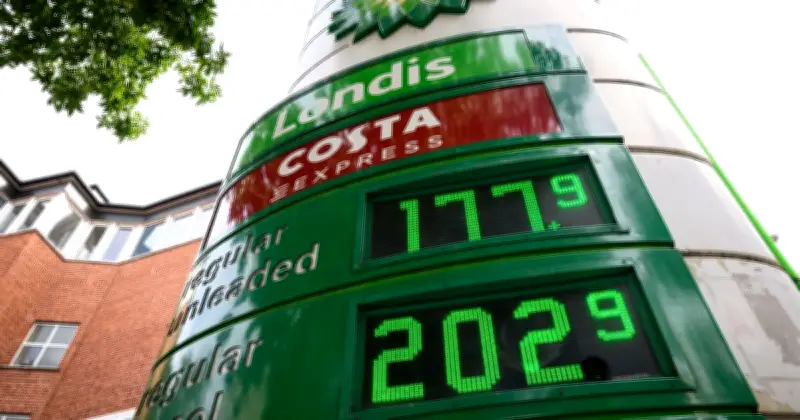
UK petrol and diesel motorists could soon be paying up to £165 to fill their cars, as fears grow over a possible change to US fuel rules. US President Donald Trump is understood to be considering a temporary 90-day ban on diesel exports to help American families cope with rising pump prices. However, the United States supplies a large share of the UK's road diesel, meaning the decision could have a massive impact on how much road users pay here.
Pump prices could hit £3 per litre
Experts have already suggested that pump prices could soon hit £3 per litre if a temporary ban were to come into effect. It means that filling up an average 55-litre family car would now cost an eye-watering £165, which would come as a major blow for cash-strapped families.
Andy Burnham has come under fire from Reform UK, with its shadow chancellor, Robert Jenrick, admitting the Prime Minister should have raised the issue with the President during his trip to New York. Mr Jenrick posted on the social media site X: “Did Burnham and Miliband raise this in the US? Or are they still putting net zero above energy security and prices at the pumps?”
Current prices and RAC data
Prices are already high, with data from the RAC showing that unleaded petrol is 173.32p per litre and diesel 197.75p per litre. Diesel costs rose another 0.44% yesterday, closing in on the all-time high of 199.09p. The RAC said that as things stand, a tank of petrol for a 55-litre family car now costs £95.33, with diesel at £108.76.
They explained that these figures were up by £22.27 and £30.45, respectively, compared to the start of the Iran-US conflict, which began at the end of February. The RAC’s Simon Williams said: “Only a sudden and sustained drop in the cost of oil can prevent an average diesel pump price of over £2 a litre happening, which sadly appears highly unlikely.”
Government response
Despite the fears, the Government is keen to stress that the UK has a “resilient supply” of fuel to hand. A DESNZ spokesperson said: "Forecourts in the UK are being supplied with petrol and diesel as normal, and we have a diverse and resilient supply."