
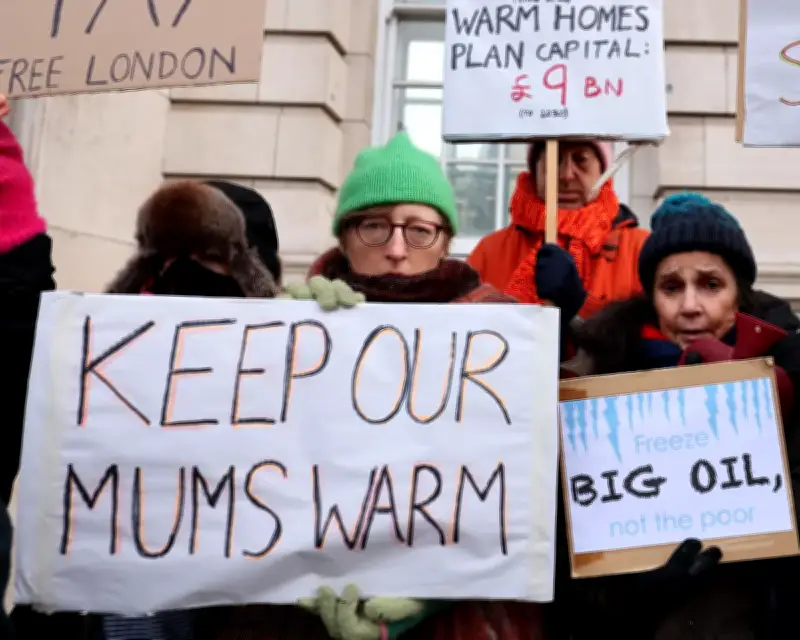
Households across Great Britain are weighing whether to lock in cheaper fixed energy deals or stick with variable tariffs as the Ofgem price cap rises by 26% in January, with many citing risk and provider trust as key concerns.
The new cap, set by the regulator Ofgem, works out at £2,166 for a typical annual gas and electricity bill – up £443 on the October to December equivalent. Despite dozens of fixed deals priced below this, two-thirds of households remain on the default tariff that tracks the cap.
Fixed Deals vs. the Cap
Andy, a retired woodworker living on Scotland's west coast, is among those facing the jump. He says his off-peak electricity rate is set to more than double, with peak rates and standing charges also rising. He uses an electric vehicle and an air-source heat pump, relying heavily on off-peak energy. His current 12-month deal with Octopus Energy ends next month, and while he would prefer to stay, he acknowledges "there are better-looking deals out there."
For Andy, a major concern is locking in at the top of the market. He has switched numerous times to save money, but with variable tracker rates "eye-wateringly high," he worries "that if I fix now at an increased rate, prices could start to come down."
The cheapest current fix is Fuse Energy's 18-month deal at £1,754, according to the price comparison service Uswitch. That is £412 a year below the new cap, while the 10 cheapest deals are all at least £317 below it, according to Sabrina Hoque of Uswitch. Its data shows 41 deals are priced below the Ofgem rate.
Consumer Concerns and Barriers
Opting for a fixed deal is a "way to take control," Hoque argues. "With only a 1% fall [in the cap] forecast for April, waiting is unlikely to bring much relief, and a fix also protects you from any further rise."
However, if you are already on a fixed tariff contract with 50 or more days left until it ends, you may have to pay an exit fee to switch. The charge varies by supplier and deal length, and can be as much as £100 per fuel – so leaving a gas and electricity deal early could cost £200.
Hailey, a 36-year-old London-based university administrator, has trawled price comparison sites but found "all the notably cheaper tariffs came from providers I'd never heard of with terrible customer satisfaction ratings." She also has an account with Octopus, the UK's largest supplier with more than 8 million customers. "Ultimately, the savings on offer weren't enough to justify the risk," she says. "The prices are getting all but impossible to manage, especially as someone living and paying for bills alone. But I really don't see what I can do except cut back in other areas, because you've got to have light, heat, and electricity for appliances."
Market Changes and Government Support
Steve from Merseyside, a father of two who works in education, feels there is little point shopping around because there "really isn't much competition any more. They pretty much all charge whatever the cap is." He says: "I don't see that the government has customers' needs first and foremost with these price increases. They are looking after the energy giants' profits."
There are certainly fewer energy providers and deals to choose from than a couple of years ago. The rise in global gas prices caused about 30 small energy suppliers to go bust during late 2021 and early 2022, including Bulb. The number of suppliers in the domestic gas and electricity retail market has fallen from about 70 before the crisis to just 17 today.
Annette, who is in her 40s and lives in Edinburgh, is "stuck" on a variable tariff. "I can't switch because I'm in a precarious job where I can't commit to a two-year contract as is usually required. I will likely have to move." She says "paying sky-high rent" is crippling her ability to save: "I already don't turn the heating on – in Edinburgh. It's a miserable way to live."
To help households cope with energy bills this winter, the government will make a one-off payment of £100 in January to 20m households in council tax bands A to D. The 5% VAT levy has also been taken off electricity bills until July next year.
Rich from Gloucestershire thinks this is not enough. He says: "I remain hugely disappointed that the regulator seems not to be working on behalf of consumers, and that the government is tweaking rather than making the changes necessary to decouple electricity prices from gas, and challenge the profits of the suppliers."
Rather than fix at a time when wholesale costs are high, Plymouth-based Nick plans to stay on his "no frills" variable tariff with Home Energy, having switched from Octopus. "We're planning on riding out the increase in January," says the 52-year-old telecoms product manager who describes himself as "ultra cautious and tight-fisted by nature." He adds: "Octopus has a far more attractive user experience and the usage stats are handy, but ultimately it's all about the tariff rate. We'll be OK. We'll try to be even more energy conscious, but overall we're counting ourselves to be fortunate enough to be able to absorb the increase."




