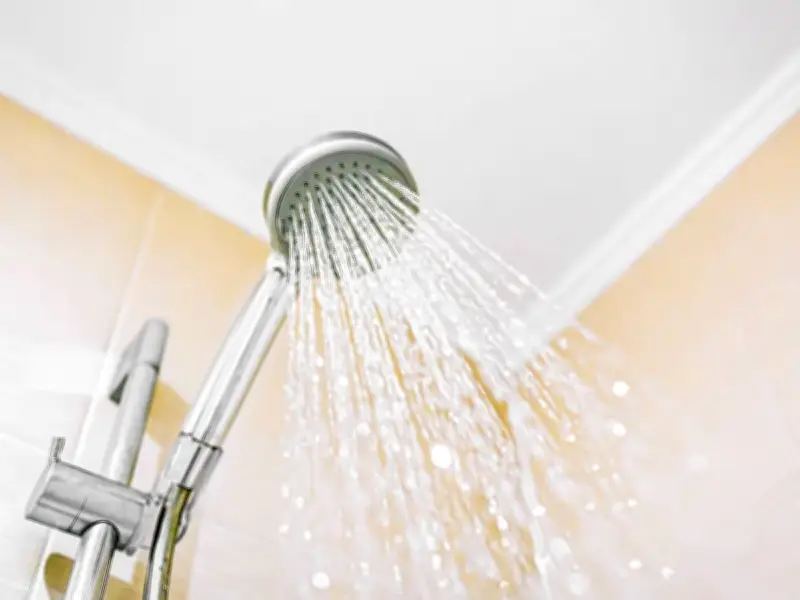
A simple two-minute squeegee routine after every shower can keep a bathroom free of mould, according to a lifestyle reporter who says she has never spotted mould in her own bathroom despite having no extraction system.
Bathrooms, particularly showers, are breeding grounds for mould because they combine warmth, dampness and poor air circulation. Everyday tasks such as showering and bathing generate large amounts of hot steam, raising the moisture levels in the atmosphere. Without open windows or an extraction system, dampness settles on walls, tiles, grouting, and ceilings, resulting in damp conditions and, subsequently, mould.
Why grouting is a mould hotspot
Parts of the bathroom that are cleaned less frequently, such as the grouting, allow mould to grow more quickly. This makes it vital to keep bathrooms ventilated wherever possible, particularly as colder months approach.

As the reporter's bathroom lacks a built-in extraction system, she keeps the window open virtually around the clock and squeegees the damp tiles in the shower following every shower or bath. This prevents mould from developing because it removes excess water from the tiles and the shower before it can soak in or remain on the surfaces.
How squeegeeing reduces humidity
Mould needs moisture to thrive, so by quickly removing it from tiles and the shower screen, the humidity and dampness that spores depend on are reduced. Squeegeeing the shower screen also prevents watermarks and limescale from forming, helping keep it spotlessly clean.
This task only takes two minutes, but the reporter says she has never spotted or detected mould in her bathroom, which she thinks is remarkable given there is no extraction system. Squeegees are available from almost anywhere, including supermarkets and DIY stores, though many people opt to purchase them on Amazon, where they retail for around £8 — those with metal handles tend to be a popular choice owing to their durability.
Other ways to cut dampness
Another effective way to reduce humidity in the home is by using a dehumidifier. This is particularly crucial during the winter months, especially when drying laundry indoors. Dehumidifiers function by drawing excess moisture from the air that would otherwise have nowhere to go and settle on walls.
Baking soda and salt can also serve as natural dehumidifiers when placed on windowsills and near sources of humidity, provided they are replaced regularly. If watermarks on the shower screen are a problem, limescale can be tackled using lemon juice and bicarbonate of soda. Lemon juice is naturally acidic, which helps to break down those stubborn, cloudy marks, while bicarbonate of soda is mildly alkaline, making it effective at cutting through soap scum and built-up grime.