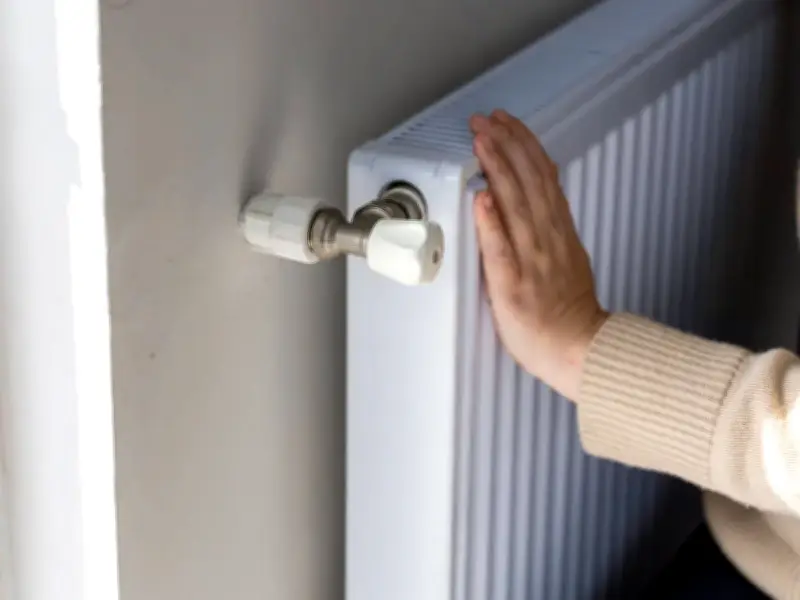
Homeowners are being urged to carry out a simple two-minute radiator leak check before switching their heating back on this autumn. Experts from Radiators 4 U say detecting leaks early is crucial to ensure the system's optimal performance and longevity, and could save time and money as temperatures drop.
Why check for leaks now
Central heating systems have likely been off for several months after the warm summer. When switched back on, hidden problems may have developed unnoticed. Radiators 4 U experts note that while tasks like bleeding and cleaning radiators are well known, checking for leaks is often overlooked.
They said: "Now is a good time to check your radiators for leaks. Leaks can occur with older pipework or if pipes and valves have been knocked throughout the summer".

How to spot a leak
The first step is a visual inspection of all radiators, pipes, valves, and the boiler, looking for moisture, rust, or water staining. Damp patches on walls, floors, or ceilings near the heating system can indicate a leak. Homeowners should also check the boiler's pressure gauge—if pressure repeatedly drops after topping up, it may signal a leak. Hissing sounds from radiators or pipes can also indicate escaping air or water.
What to do if you find a leak
If a leak is found in a radiator or the boiler, act quickly. The experts warned: "Leaks can cause structural damage, increase your energy bills, and reduce the efficiency and lifespan of your heating system. If you're unsure or can't locate the leak, always consult with a heating engineer or professional."
Contacting an engineer now is better than waiting until peak winter when demand is higher and wait times are longer. They added: "If you delay, you risk facing longer wait times or not finding a slot that aligns with your schedule. To ensure your heating system is in tip-top condition and to preempt any plumbing issues before they escalate, it's wise to book your plumber and heating engineer in advance."