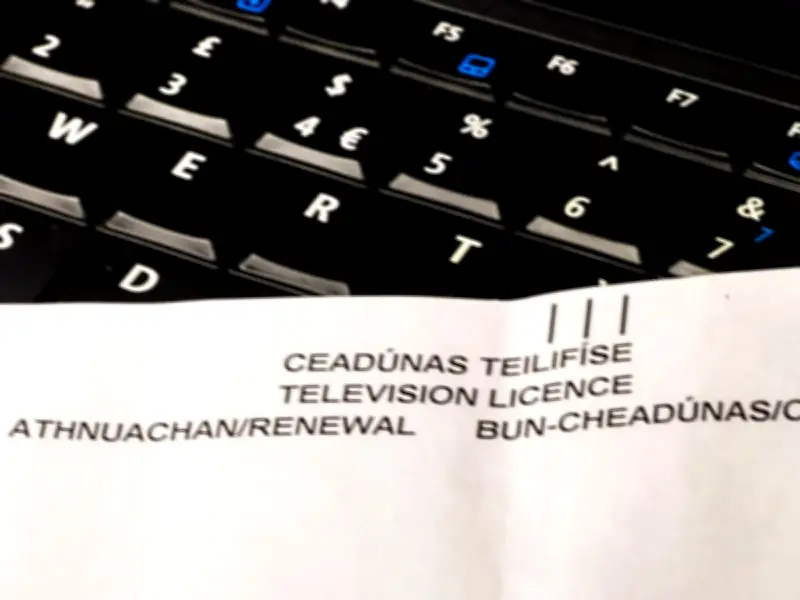
Some UK households could get a free TV Licence or a 50% discount, but strict eligibility rules apply, and not everyone qualifies. TV Licensing officials have confirmed that students and single people are not entitled to a discount.
Who Can Get a Free TV Licence?
To qualify for a free TV Licence, the Licence holder must be aged 75 or over and either they, or their partner living at the same address, must receive Pension Credit. People can apply from age 74, and payments will be adjusted automatically.
Reduced-Fee Options
If you cannot get it for free, you may be able to get a reduced-fee Licence. This includes those living in a care home or sheltered accommodation, who may pay a reduced fee of £7.50. People who are blind (severely sight-impaired) and can provide the appropriate evidence are eligible for a 50% concession, bringing the cost to £90.

Officials say: "If none of the above apply to you, you will need to buy a TV Licence." They further confirm that students and single people are not entitled to a discount.
Current Costs and Fines
Currently, the cost of a standard colour TV Licence is £180. If you only watch on a black and white TV, the licence costs £60.50. Watching, recording or downloading TV programmes without a valid TV Licence can lead to prosecution. If convicted, you could be fined up to £1,000, plus any legal costs and compensation ordered by the court. In Guernsey, the maximum fine is higher, up to £2,000.
When You Don't Need a Licence
You don’t need a TV Licence if you never watch live on any channel, pay TV service or streaming service, or use BBC iPlayer. This applies to watching on any device. If you only do the following, you don’t need a licence: watch on demand or catch up programmes on services other than BBC iPlayer, watch S4C programmes on demand, stream, rent or buy movies from providers like Sky, Virgin Media, EE TV, Netflix, Amazon Prime, Disney Plus or Now, watch DVDs or Blu-rays, play video clips through services like YouTube, or play video games.