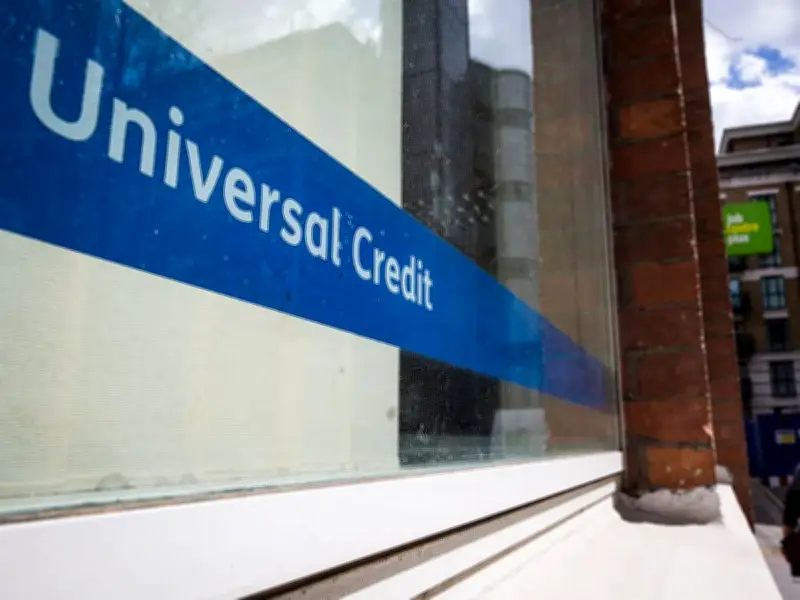
The Conservatives have proposed a new benefits crackdown that would cut Universal Credit for some claimants and replace cash payments with pre-loaded cards. The plans, announced by Tory leader Kemi Badenoch this week, would also ban some people from spending their welfare payments on alcohol, cigarettes and gambling.
Badenoch said: “Helping people into work is not punishment. The best welfare is a well-paid job. So, we will be tough on those who exploit the system because the current system is unfair to workers, taxpayers and those who truly need support.”
How Universal Credit payments would be cut
Under the Tory plans, Universal Credit payments would be cut for those who have not paid enough into the welfare system through taxes. The Universal Credit standard allowance is currently £424.90 a month for single people over the age of 25. Claimants can be entitled to more if they claim additional elements, for example, for children, caring responsibilities or a disability. The standard allowance can also be less if a claimant is in work and earnings take them above the work allowance.
Anyone who claims Universal Credit when out of work would get six months of full benefits, but after that the rate would be cut by 30% if the person has not contributed enough to the welfare system. This would be known as the so-called “subsistence rate” of Universal Credit. Under the Conservative plan, every two years a Universal Credit claimant has worked would give them an extra year on the full benefit rate.
The Tories have given examples of how this would work. They say a 58-year-old who has worked since leaving school at 18 would keep full benefits right up to state pension age. But a 30-year-old who has worked one year since turning 18 would receive the lower rate after six months.
Pre-paid cards and exemptions
Those who have had their Universal Credit rate cut would have their payments loaded onto a “back to work” pre-payment card instead of receiving cash into a bank account. The card would be used to buy food and other everyday essentials, but would ban spending on cigarettes, alcohol, betting and cash withdrawals.
Badenoch said: “Some will say this is unfair on people claiming benefits. What is unfair is a system where someone who can work chooses not to and earns more from benefits than someone in a job.”
People who are too ill to work, who are disabled, or who are claiming Universal Credit while in work would be exempt and unaffected by the plans. Further plans for welfare reform are likely to be revealed at the Conservative party conference later this month.
Savings claims and political reaction
The Tories claim that moving 350,000 benefits claimants onto the new “subsistence allowance” could save the taxpayer £538 million a year. However, Labour said the Conservatives had failed to make any meaningful reforms to the benefits system in the 14 years they were in power.
A Labour Party spokesperson said: “Now they are proposing an unworkable new card scheme, which does nothing to tackle the numbers of people their system left signed off and written off. While the bill for the taxpayer rose by £33 billion in their last year in government, this Labour Government is introducing effective and sustainable welfare reform alongside a £3.5 billion employment support package to help people stay in or return to work, and the national rollout of the jobs guarantee for young people who have been on universal credit.”
Robert Jenrick, Reform UK’s Treasury spokesman, said the Tories’ plan will not put a dent in the benefit bill. He said: “This welfare plan is so weak the Lib Dems could have authored it. The Tories left more people on long-term benefits and benefit fraud at record levels. Now they offer a spending card that won’t even put a dent in the coming £400 billion bill. It’s a sticking plaster on a wound they opened. Kemi’s latest decision to let the permanently unemployed go on claiming forever is tantamount to stabbing workers in the back.”