UK households are being advised to photograph their energy meters before Thursday, 1 October, as Ofgem's price cap rises from £1,663 to £1,723 for a typical household. The 4% increase means anyone on a standard variable tariff will face higher rates for both gas and electricity from the start of next month.
An energy expert has warned that the biggest mistake customers can make is assuming their supplier automatically records exact usage before and after a price increase. Ben Gallizzi from Uswitch.com explains that submitting a straightforward meter reading prevents billing errors and stops households from being charged at the wrong rate.
Expert advice echoes Martin Lewis
Gallizzi said: "Yet another energy price hike will hit millions next week, at the same time many reach for the thermostat – but there are actions households should be taking. Submitting a meter reading, if you don't have a smart meter, before or on Thursday, October 1, will ensure the energy used is charged at the correct rates and not estimated by a supplier."
"That same deadline applies for the 15 million households on standard tariffs wanting to beat the hike entirely by locking in a lower-rate fixed deal before energy costs rocket for winter."
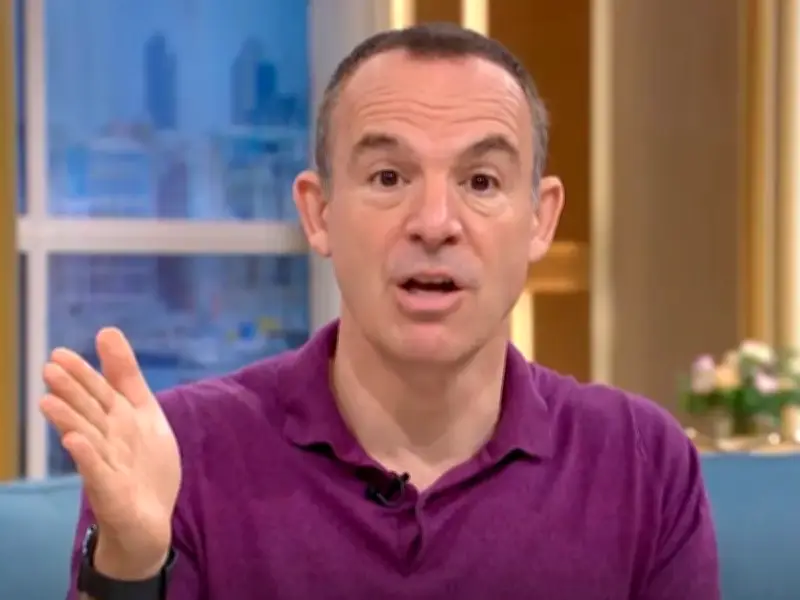
His guidance echoes advice previously given by Martin Lewis. The personal finance expert has urged homeowners to photograph their meters on multiple occasions, particularly when discussing what he refers to as 'Meter Reading Day'. Lewis said: "I would still get your phone out and take a picture of your meter today just in case of a future dispute, you don't need to do anything with it, you might want to email it to yourself so you've got proof."
On the MSE website, the team of specialists also advises: "The easiest way is to take a picture of your meters, so you have the readings to hand. Then you can log in to your online account and enter the readings."
Price cap increase details
According to Uswitch.com, more than four million households without smart meters need to submit a meter reading before the end of the month to avoid being billed at incorrect rates for energy consumed prior to 1 October. Homes on a standard tariff with average usage are expected to spend £145 on energy in October, compared with £109 in September. The rise of a third is attributable to a combination of greater consumption and higher rates during autumn, when central heating is switched back on.
Without precise and regular meter readings, energy suppliers will be forced to estimate usage before issuing bills. Those on standard tariffs who do not have a smart meter and fail to submit readings on or around 1 October risk having a portion of their September usage incorrectly billed under the newer, costlier rates.
Energy bills could climb even further, with current forecasts suggesting January's price cap will reach £2,117 – a 23% rise from the October cap. This would mark the third consecutive increase and the largest quarterly leap since the energy crisis.
Why accurate readings matter
Gallizzi says: "Predictions currently suggest there will be a third consecutive price hike on the way in January, with rates forecast to jump a staggering 23% in the new year. Not all energy deals are the same, and prices vary wildly, so households should not simply accept the first deal offered by their current supplier."
"It's vital to compare, and it takes just minutes to see options tailored to your personal energy usage. The price cap is going up, but your rates don't have to."
Approximately 15 million households remain on a standard tariff and have just seven days to switch to a cheaper fixed deal ahead of higher energy rates coming into effect on 1 October. The price rise is avoidable, Gallizzi says, as there are currently fixed energy deals on the market that undercut the new October rates. The most affordable tariff is an 18-month deal from Fuse Energy, priced at £1,688 a year for a typical household, which sits £35 below the October price cap and £429 below the average January forecast.
How to take meter readings
For smart meters with keypads, press the 9 button and wait for the screen to display IMP kWh or KWH, then write down the numbers from left to right, ignoring any after the decimal point. For meters with an A button, press and hold or repeatedly press the green A button until you see Rate 01 Act Imp or your kWh reading. For meters with multiple buttons, press the middle button until you see IMP, or for orange and blue buttons, press the orange one until you see KWH.
For gas meters, press the red A button once or twice to wake up the screen and display Credit ON or Volume, then press it again to see the index reading in cubic meters. For economy 7 or multi-rate meters, press the designated button repeatedly to cycle through IMP R01 (often night/off-peak) and IMP R02 (often day/peak).
Uswitch's checklist to keep energy bills as low as possible includes submitting a meter reading on or around October 1 if you don't have a smart meter, locking in a fixed deal through comparison, and considering an exclusive tariff from collective switches. The final point notes that Uswitch and other groups often run collective switches that offer tariffs, which are usually exclusive, to consumers who have signed up in advance.