UK drivers could cut their petrol costs by up to 25 per cent simply by removing a roof box from their car, according to a motoring expert. Josh Felber at FLBR Motorsport says an empty roof box left fixed to the vehicle's roof significantly reduces fuel economy, especially at motorway speeds.
Roof box impact on fuel economy
Felber explains that a roof box can reduce fuel economy by 10% to 25% when travelling at speeds of 65 to 75 mph. In monetary terms, a journey that costs £50 in petrol with a roof box fitted would drop to £37.50 once it is removed.
"An empty roof box may ensure that less weight is on the car, but it remains the same shape. When on the motorway, the engine of the car must work harder to push the extra bulk of the car through the air," he said.
City driving and additional savings
The fuel wastage is smaller but still noticeable during city driving, with a 2% to 8% drop in fuel economy. For every £50 spent on petrol for trips around town, removing an empty box saves £1 to £4 on the same journeys.
The UK national average for unleaded petrol is currently around 168.5p to 170.7p per litre, with prices trending downward following recent drops in wholesale oil costs. Recent surveys show that 60% of UK drivers are concerned about fuel prices, and 53% have reduced their car use to save money.
Five more ways to cut petrol costs
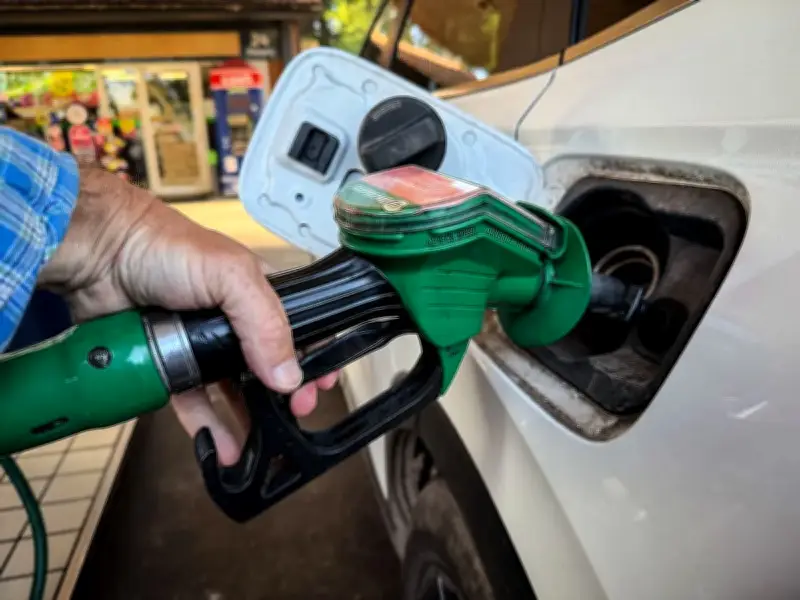
Felber also shared five other ways to reduce fuel spending. At the pump, many petrol stations feature a preset button with options of five, 20 and 20, which stops the pump at the exact amount chosen, saving an average of £1 every visit.
Comparing fuel prices using apps and websites that use the UK government's Fuel Finder data can save £2.50 on a 50-litre fill. Checking tyre pressure when cold and using the pressures listed in the handbook or on the car's tyre-pressure sticker can also help, with correcting pressure potentially reducing a £50 spend to £48.54, a saving of £1.46.
Switching off the engine when parked can save around £1.42 per hour, based on St Albans City and District Council estimates that a stationary vehicle with the engine running uses about half a litre of fuel an hour. Combining two errands into one trip saves £1.70 for every 10 miles avoided, assuming a car averaging 40mpg.
Felber advised: "The first thing to look at is what's costing your money on the journeys you already make. Take the empty box off before a long motorway drive, check the price of the stations you'll pass and ask whether you can make one trip instead of two. You can start with the very next drive."