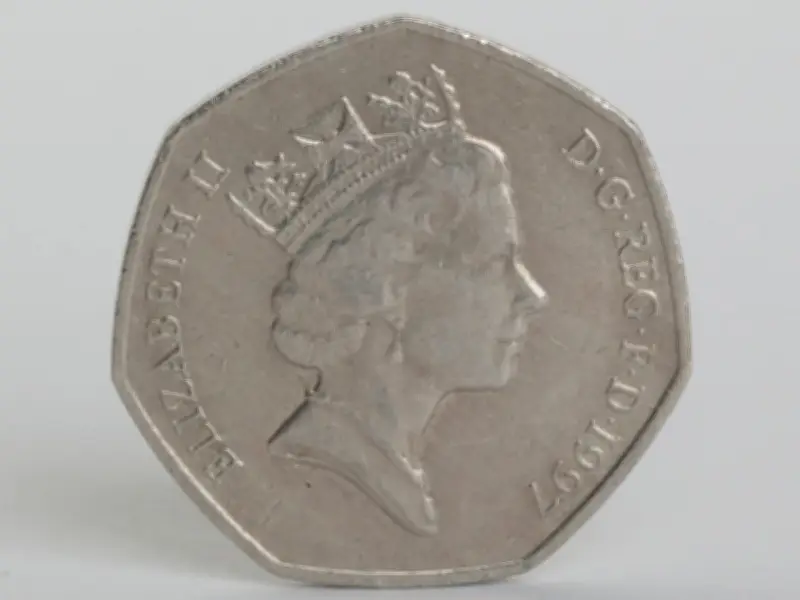
A 1997 50p coin featuring Queen Elizabeth II has been listed on eBay for £1,000, which is 2,000 times its face value. However, a coin expert has issued an urgent message to collectors, warning that the coin is not as rare as some believe.
The Coin's Design and Origin
The coin, designed by sculptor Raphael Maklouf, was introduced in 1985 and used until 1997. It features the Queen wearing a necklace, with a seated Britannia and lion on the reverse. This design marked the Queen's third official coin portrait.
Expert's Warning
The @CoinCollectingWizard, who has 271,000 followers on TikTok, addressed the online speculation about these coins. He said: "So you have a coin with Queen Elizabeth on and she is wearing a necklace, are you now rich? Pay attention."
He continued: "There has been a lot of talk online about UK coins featuring Queen Elizabeth II wearing a necklace with many people believing these coins are rare and worth a lot of money, this is simply not true."
He further explained: "In reality, millions of coins with this portrait were minted across all denominations, from 1p to £2, making them very common. Despite the rumours, these coins hold no extra value and are only worth their face value."
Actual Value and Listings
According to Britannia Coin Company, the coin typically sells for £2 to £3, despite previous listings showing a hefty £10,000 price tag. The company stated: "The reality is a seller can put whatever price they want on their eBay listing. No knowledgeable coin collector is going to pay £10,000 for a coin of this kind but if they can catch an inexperienced buyer with deep pockets then the seller has made a mint."
1997 was the year the new 50p was introduced, and a large number were minted to replace the previous coins. The dealership added: "In fact, the 1997 50p is the most common 50p ever produced by the Royal Mint. More than four and a half million of these coins were struck for circulation with a range of collector's coins produced to celebrate this change to UK currency."
Key Signs of a Rare Coin
- Low mintage: Check official records, a lower number indicates the coin has a high scarcity.
- Mint errors: Look for double-dies, missing letters or misstrikes from the manufacturing process.
- Collector's demand: High public interest combined with low supply can increase its rarity.
- Age and history: Older dates, specific historical eras or short-lived commemorative coins are also key.