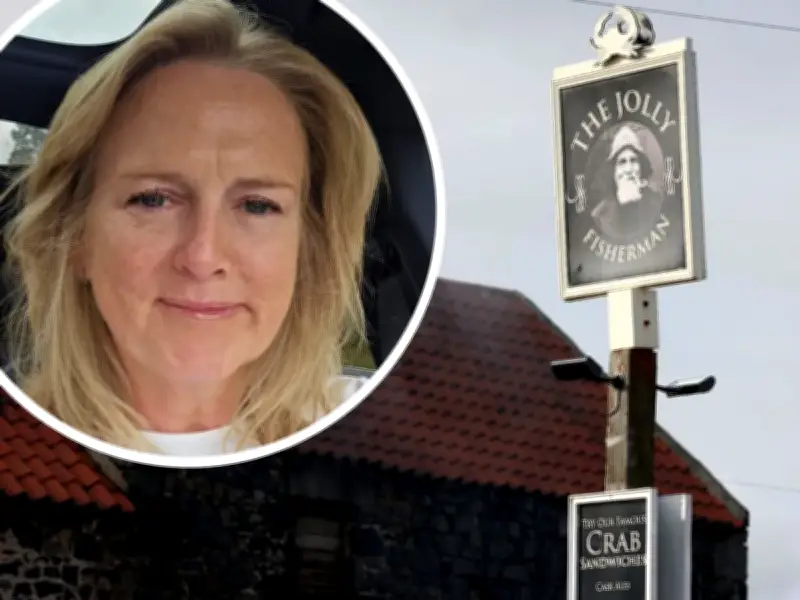
A North East publican has joined others in the region in calling for the Government to introduce minimum unit pricing to stop supermarkets undercutting pubs with discounted alcohol. Joanne Dwyer, joint owner and proprietor at the Jolly Fisherman in Craster and the Woodmans Arms in Whickham, described the situation as "grossly unfair".
Landlords back pricing rule
Joanne is among 79% of North East landlords who support bringing in the pricing rule, which is already in place in Scotland. The aim would be to make drinking at "worrying levels" at home harder.
The idea of a minimum price for alcohol has long been backed by health figures, including Newcastle and Gateshead's director of public health, Alice Wiseman. Now, new research from the Institute for Alcohol Studies and campaign group balance shows that a majority of landlords also back the plan.

Survey findings
The new figures come from a survey of 200 publicans, including 70 in the North East. Joanne highlighted how hard it is for businesses to compete with cheap supermarket alcohol deals.
She said: "The hospitality trade has changed significantly in recent years and there are many factors to consider for running a successful local business. We have adapted to shifting consumer behaviours like the fact people sometimes don’t drink alcohol and have diversified our offer to attract new customers."
"With rising costs overall in utilities, food, drinks, and overall running costs for our venues it can be tough. One thing that has really struck us is how hard it is to compete with cheap supermarket alcohol. It seems grossly unfair to be in this situation, and this is clearly part of the issue faced by many pubs. People are staying at home and drinking and quite often at worryingly high levels."
Support for minimum unit pricing
Joanne, who runs a range of hospitality venues across the north of England, added she would back minimum unit pricing, citing the harm to health, driving of crime, and the impact on pubs. She said: "This concerns me and I would support the Government seriously considering introducing Minimum Unit Price of alcohol in England, to mirror Scotland. This is a measure which would not affect drinks sold in pubs but would level the price up with shops."
"It’s clear that cheap alcohol is not just harming pubs but also health and adding to crime and disorder. Most publicans run responsible businesses and want their pubs to be at the heart of thriving local communities."
The new research suggests that shop-bought beer is 245% more affordable than it was in 1987, and one in four publicans listed cheap shop-bought alcohol as a key business challenge. The publicans surveyed also backed measures to reduce alcohol harm more widely, with 75% in favour of a stricter drink-driving limit, more than half in favour of warning labels on cans and bottles, and 46% supporting tighter rules on marketing alcohol.
Expert reaction
Dr Katherine Severi, Chief Executive of the Institute for Alcohol Studies, said: "Alcohol deaths in England reached record levels in the years after the pandemic, and it's clear that cheap, supermarket alcohol consumed at home is driving much of that harm. The rise of rapid alcohol delivery apps has made things worse, letting people with the heaviest, most dangerous drinking patterns get alcohol to their door within minutes - often when their health is already failing."
"What's striking about this report is that the people running Britain's pubs agree with the public health community on the fix. They're not asking for cheaper alcohol - they're asking for a level playing field. Raising the price of supermarket alcohol, through minimum unit pricing and higher duty, would cut deaths, support struggling pubs, and free up revenue to invest in treatment and prevention."
"Government has both a health case and an economic case for acting on cheap alcohol. Now it has publicans' backing too. There's no excuse left not to act."
The new report sets out recommendations including reducing the gap between pub and supermarket prices, introducing minimum unit pricing, and tightening drink-driving rules. It also highlights the need for more investment in treatment and prevention of alcohol harms.