Three in 10 parents in the UK say they would find it difficult to afford to follow official guidance on stocking up food and water for emergencies such as extreme weather, according to new polling.
The survey, commissioned by the parent-led climate movement Parents for Future and conducted by YouGov, questioned more than 1,000 parents with children aged 18 and under. It found that 29% felt they would struggle to afford the advice, a figure that rises to 45% among households with incomes under £25,000 a year.
Government responsibility
The research also revealed that 65% of those surveyed believed the Government should bear the greatest responsibility for ensuring the UK is equipped for potential food or water supply disruptions during a national emergency, compared with 28% who felt it should fall to individuals or families.
Furthermore, nearly four fifths (79%) were in favour of the Government publishing a plan for maintaining national food supplies during emergencies.
Be Ready campaign
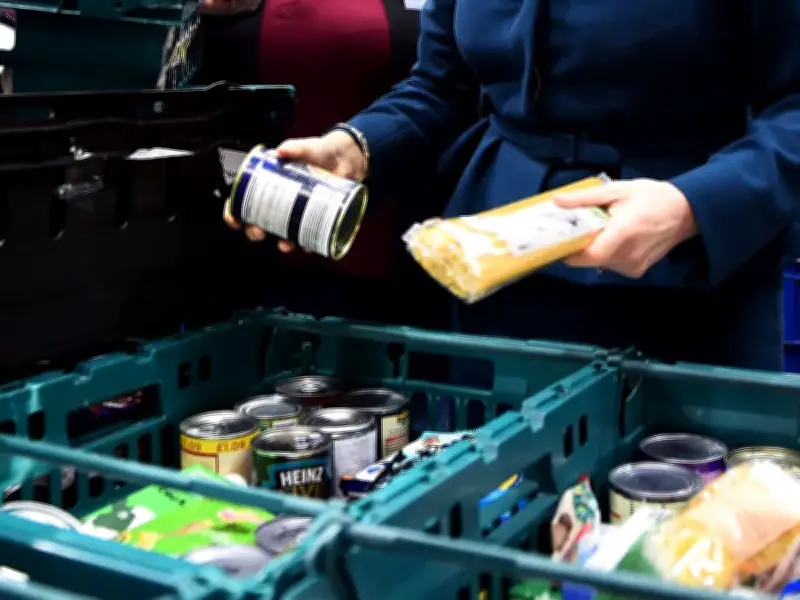
Under the Government's new Be Ready campaign, households are urged to prepare for any temporary disruption to everyday services, with three days' worth of essential supplies recommended. Retailers have reported an upturn in sales of essential goods following the publication of the checklist, which advises stocking up on bottled water, non-perishable food, a battery or wind-up FM radio and cash.
The findings emerge as the latest annual food security assessment from the Government reveals that nearly one in 10 households faced food insecurity in 2025. While overall 91% of households are considered food secure, the proportion of households with children falling into that category (88%) trails behind those without children (93%).
Impact on poorer families
The research also showed that poorer families are spending more – 15% – of their total household expenditure on food and non-alcoholic drinks, compared with the 11% average. It further highlights ongoing price rises and the knock-on effects of events such as the Iran war, which triggered a global energy shock and disrupted fertiliser supplies, alongside cyber attacks and extreme weather impacting food security.
Severe conditions in 2026 ranged from prolonged wet weather across parts of the UK in January that stunted grass growth and hampered the harvesting of crops such as carrots, to a record-breaking hot summer, heatwaves and drought that drove down yields of crops such as wheat.
Parents for Future co-director Charlotte Howell-Jones said: "Andy Burnham is telling us to stock up on tins of beans and bottled water in case of climate extremes, but not every family can afford it. Over a third of parents on low incomes say they would struggle to follow emergency preparedness advice."
She added: "With the weekly shop already costing more than it used to, the most vulnerable are at risk of going hungry in a crisis. It's the Government that needs to be prepping now to ensure all families have food they can count on in emergencies. As climate chaos wreaks havoc on harvests in the UK and around the world, the Prime Minister must make food security a national priority."
Parents for Future UK is urging ministers to sit down with parents and carers to address how families already stretched by rising food costs can adequately prepare for emergencies, and how Britain can safeguard its food supplies as floods, droughts and heatwaves continue to threaten harvests.
A Government spokesperson said: "We've worked closely with over 600 partner organisations, to ensure our guidance is as accessible and low cost as possible. All the steps can be taken slowly overtime, and many of the steps are completely free, such as signing up to the Priority Services Register. This ensures eligible households are prioritised by utility companies during an outage. And all households who do follow the guidance will be helping their whole community by allowing the emergency services to support those most in-need during an emergency."