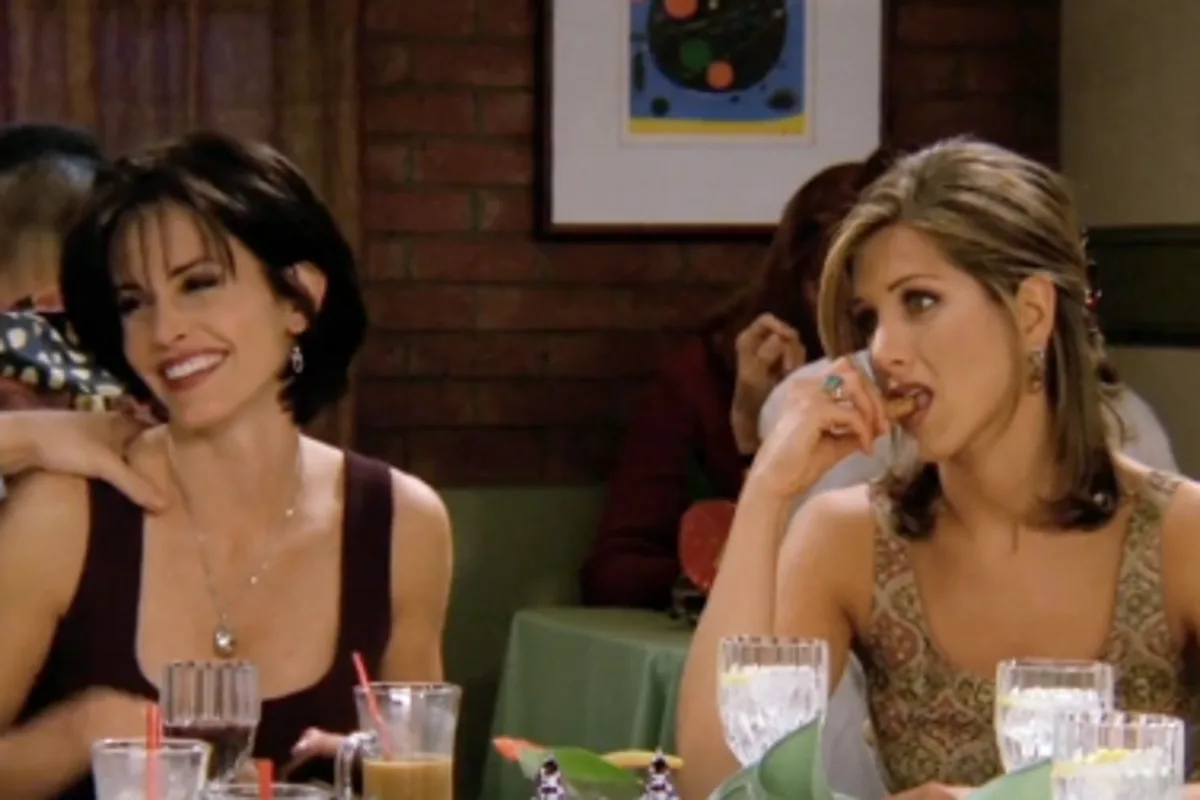
When Hannah, a freelancer in London, arrived late to a friend's birthday dinner due to Tube strikes, the other guests had already ordered sharing plates. She managed only two bites and a negroni, yet the bill was split equally. 'I probably lost like £20, but it just didn't feel appropriate to push back at a one-off birthday party,' she says.
This 'politeness penalty' is widespread: one in three Brits regularly overpay on shared bills to avoid awkward money conversations, costing an average of £240 per year, according to Zopa Bank research. Young people are worst affected, with 44% of 25- to 34-year-olds often paying for more than they ordered.
Britons are notoriously bad at discussing money, leading many to silently seethe while subsidising others' extravagant orders. Some resort to 'competitive eating' to match the biggest spender. Yet with a global recession looming, experts say this repression needs rethinking.
Rupert Wesson of Debrett's advises that it's not a faux pas to ensure fair payment: 'Being fair and equitable is unlikely to be the wrong thing to do, even if it might seem a little inelegant at the time.' He adds that it's wrong to assume everyone can subsidise others' dining habits.
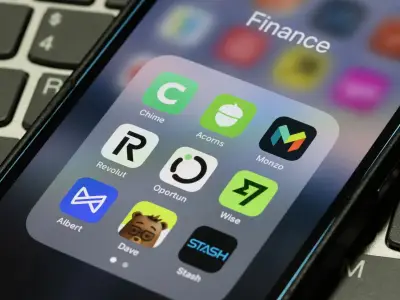
While apps like Splitwise and Monzo help divide bills digitally, over a third of people still have to chase friends for owed money, sometimes nudging five times before repayment. However, a University of Queensland study found that covering a friend's cost can boost happiness—but only if it's a close friend, not an acquaintance.