Property expert Phil Spencer has shared five budget-friendly tips to help UK households reduce energy bills by up to £108 and keep homes warm this winter, with one fix costing as little as £1.
The advice comes as Citizens Advice's 2026 study found that more than 10 million households, equivalent to 37% of people in Britain, are worried about being able to pay their energy bills this winter. Additionally, 28% of prepayment meter users ran out of gas and electricity in the past year because they couldn't afford to top up.
Insulate hot water tanks
Spencer, who has teamed up with Wickes, said poorly insulated hot water cylinders "waste significant energy". He stated, "In fact, homeowners could save a further £45 a year by upgrading from 25mm of insulation to an 80mm jacket."
He described this as a "simple, low-cost fix" at around £25 that could "pay for itself within the first year while helping keep heat where it's needed."
Protect pipes and cover chimneys
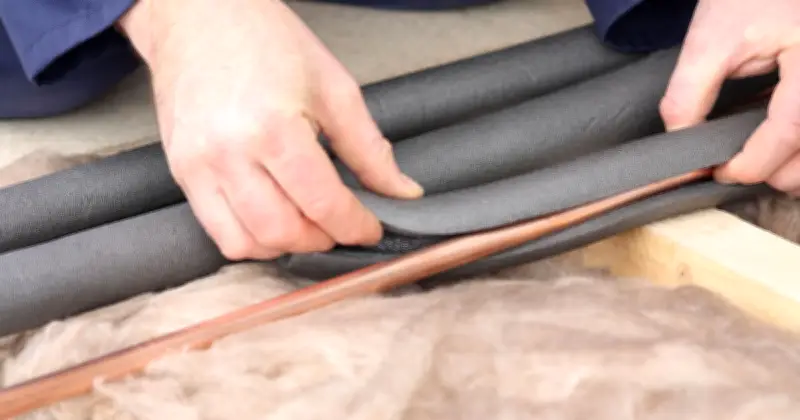
Exposed hot water pipes in lofts, garages and other unheated spaces can lose heat and are vulnerable to freezing during cold snaps. Adding suitable pipe lagging can help reduce heat loss and protect pipework, with Wickes offering pipe insulation from just £1.
Open chimneys also "allow warm air to escape" when a fireplace is not being used. According to Spencer, "According to the Energy Saving Trust, chimney draught-proofing could save around £45 annually." A draught excluder made specifically for chimneys is the recommended fix.
Use radiators properly and check your loft
Spencer advised ensuring you're not "heating walls instead of rooms", as "radiators positioned against poorly insulated external walls can lose heat through the wall behind them". Fitting reflector panels can "help direct warmth back into the room, potentially saving around £18 annually".
He also urged households to check their loft hatch, noting that "even a well-insulated loft can lose heat through gaps around its hatch." He recommended ensuring it fits securely, adding suitable draught-proofing and insulating the hatch where appropriate.
Spencer reassured homeowners that insulating a home doesn't always require major renovations, advising, "My advice is to start by looking at where warmth might be escaping and tackle the smaller jobs first. Making a few practical improvements can help keep your home more comfortable during the colder months, without necessarily spending a fortune."