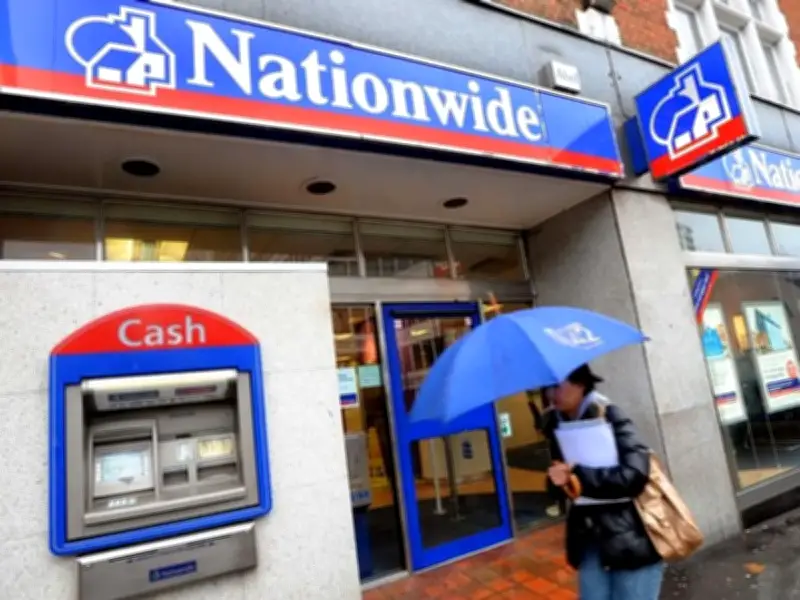
Nationwide customers have hidden more than 38,000 potentially abusive payment references since the building society introduced a feature designed to protect people experiencing domestic and economic abuse.
The service, launched in May, allows customers to conceal payment references from specific senders while continuing to receive the money being transferred into their bank accounts. Payment references are normally used to identify the purpose of a transfer, but they can also be exploited to send threatening, harassing or coercive messages to someone who has blocked other forms of contact.
Nationwide became the first major high street banking provider to introduce the feature, which has attracted more than 800,000 visits since its launch.
Feature usage and context
The building society confirmed that customers have used it to hide over 38,000 potentially distressing references, although this does not necessarily represent the same number of people affected.
The update comes one year after the UK Government published its Financial Inclusion Strategy, which identified economic abuse, mental health and accessibility as significant barriers to financial services.
Nationwide is highlighting the initiative as part of UK Finance's Inclusive Design Challenge, which encourages banks and building societies to share practical solutions that improve access to financial services.
Support for people experiencing financial abuse
Economic abuse can involve someone controlling another person's access to money, restricting their financial independence or using banking services to intimidate and harass them.
Payment references can be particularly difficult to avoid because the recipient may still need to receive money from the sender, including payments connected to shared financial responsibilities.
Nationwide's feature allows customers to hide the messages without preventing the payments themselves from arriving.
The building society has also introduced additional support for people experiencing domestic and economic abuse.
In late September, it launched Online Safe Spaces, providing discreet digital access to specialist information and support. The service includes a quick-exit function designed to help users leave the information quickly and clear their browser history.
During its first month, Online Safe Spaces recorded 2,893 visits, with 645 progressing to information about contacting Nationwide for further assistance.
This complements physical Safe Spaces available in more than 430 Nationwide branches and 41 Virgin Money branches.
Kathryn Townsend, Head of Customer Vulnerability at Nationwide, said: "Inclusive banking is about giving people the confidence, independence and control to manage their money safely.
"Sometimes relatively simple changes can make a real difference, whether that's allowing someone experiencing abuse to hide distressing payment references or giving a customer a more accessible and easy way to communicate."
Making banking easier to access
Nationwide is also highlighting several initiatives intended to help customers who experience difficulties accessing or using financial services.
Its Speak Easy cards were developed to help people with communication difficulties explain what assistance they need during face-to-face banking appointments.
The cards have since been adopted by other financial organisations, including NatWest, Santander and Skipton Building Society, and are now available across more than 3,000 UK branches.
Nationwide also introduced AccessAble guides in March, providing information about disabled access at each of its 605 branches.
These guides have been viewed more than 22,000 times, with equivalent information for Virgin Money branches expected to become available before the end of the year.
Meanwhile, Easy Read banking guides developed with Mencap have been downloaded nearly 7,000 times since their introduction in March 2025.
The building society is also working to improve services for deaf customers, including British Sign Language support online, in branches and over the telephone.
Research sponsored by Nationwide found that 90% of debt cases examined among 85 British Sign Language users receiving moneyPLUS support were linked to communication difficulties or misunderstandings.
Separate research with Project Nemo highlighted the risks faced by people with learning disabilities who may share PINs or passwords because they need assistance managing their finances.
Ms Townsend added: "The UK Finance Inclusive Design Challenge is an opportunity for the industry to come together, share best practice so that we can tackle financial exclusion at pace."
Customers looking for information about accessibility and additional banking support can visit Nationwide's accessibility pages.