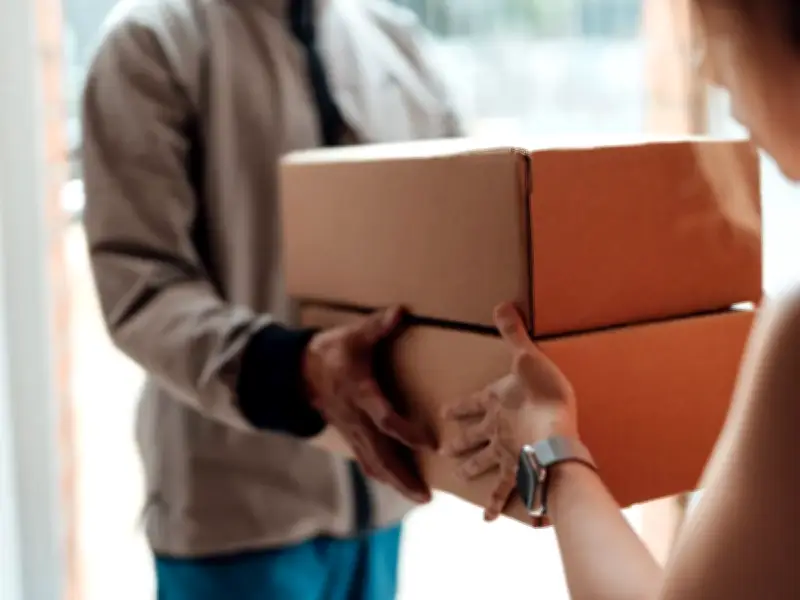
When a parcel goes missing or is left in an unauthorised location, the retailer is responsible for refunding the customer or arranging a replacement. The contract for any purchase is with the shop, not the manufacturer or the delivery firm, so the retailer must ensure goods arrive as advertised.
Last year a record 4.6 billion parcels were sent in the UK, up 8.9% on the previous year. Given that volume, problems are inevitable, and regulator Ofcom has issued a warning to the industry that it needs to improve its service or face tougher regulation.
Ofcom Satisfaction Data
Ofcom's annual data shows the scale of the problem. Bottom of its satisfaction list were Evri and Yodel, but no parcel company received over 60% satisfaction for its service. Common problems include deliveries that do not happen, parcels that go missing or are delivered to the wrong place, and difficulty contacting delivery companies.
The last point is a major source of frustration, as it is often difficult to register a complaint with delivery firms, meaning the true scale of the problem may be underreported.
Retailer Responsibility and Safe Spaces
Under the Consumer Rights Act and the Consumer Contract Regulations, the retailer has not followed the rules if a parcel is left with a neighbour or at an alternative location without permission, if it is left somewhere unspecified and subsequently damaged or stolen, if goods are broken and not opened in front of the courier, or if a parcel is left in a communal area accessible to neighbours or strangers.
If a parcel goes missing from a designated safe space that the customer authorised, the retailer is not responsible for the loss. However, customers should not choose a safe space for items they have not purchased, as this can shift legal responsibility. If a safe space was set on a previous order, those instructions may still be saved with the shop, so customers should check before making a final purchase.
Proof of Delivery and Complaints
For most deliveries, a photograph is used instead of a signature. A photo of a parcel outside a door is not proof of delivery, as it may not be the correct door or the item may have been stolen after being left. It is the retailer's responsibility to prove the parcel was delivered according to instructions.
Ofcom introduced rules requiring delivery firms to tell complainants who to contact, which channels to use, what the complaint process involves and how long it should take, and that complaints should be handled by appropriately trained staff. Despite this, complaining to a delivery company can still be difficult, so taking the complaint to the retailer may be simpler.
Private Sellers and Sending Parcels
Buyers from private sellers on marketplaces such as Amazon, eBay and Vinted have fewer rights, though some protections remain. Most disputes involve returns and sending goods, so following the website's delivery and returns rules is important, and photographing the process can help. Most sites have buyer and seller dispute processes.
When sending a parcel, customers must deal with the delivery company directly. Many firms have poor compensation policies for lost or damaged items, with exclusions that can include musical instruments, paintings, plants, spectacles, and tobacco products. The cover sold when sending a parcel is usually a service contract rather than insurance, so complaints cannot be taken to the Financial Ombudsman. Customers should spell out exactly what they are sending and obtain written confirmation of cover for the full value of the item.