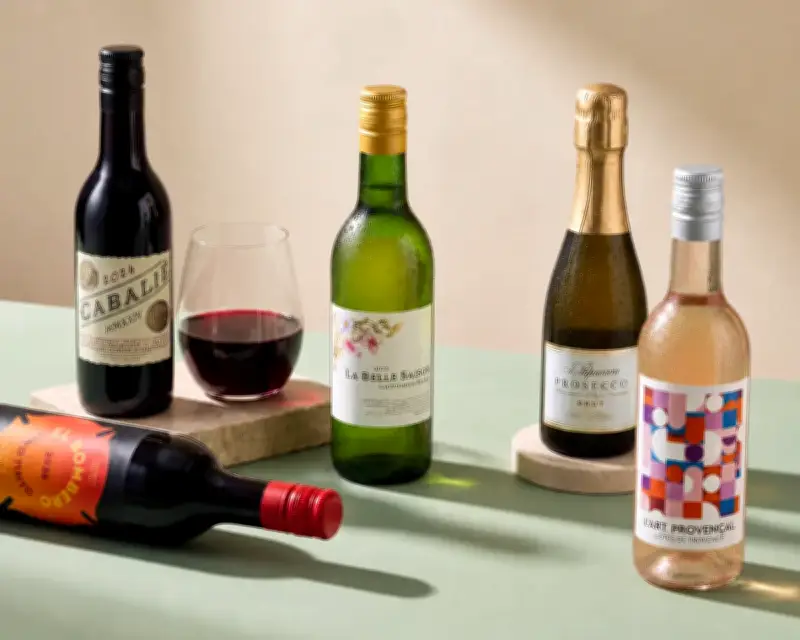
Miniature wine bottles are becoming an increasingly common sight in UK shops and restaurants, as consumers seek smaller portions and producers respond to shifting drinking habits. The trend reflects a broader move towards convenience and moderation, with single-serve formats gaining ground among a wide range of buyers.
Why Miniatures Are on the Rise
Industry figures show that sales of miniature wine bottles have grown significantly over the past year. Retailers and hospitality venues are expanding their ranges, offering everything from 187ml splits to 250ml cans, catering to those who want a glass without committing to a full bottle.
The appeal is multifaceted: miniatures reduce waste for those who drink infrequently, allow easier portion control, and are often seen as a more sustainable option compared to larger bottles that may go unfinished. They also appeal to younger consumers, who are increasingly prioritising quality over quantity and are drawn to the novelty and portability of the format.

Changing Consumer Behaviour
Data from the Wine and Spirit Trade Association indicates that the trend is not confined to one segment of the market. Sales are rising in both off-trade and on-trade channels, with miniatures now appearing in supermarkets, convenience stores, bars, and restaurants. The format is particularly popular for picnics, travel, and solo drinking occasions.
Producers are also responding by launching premium miniatures, moving away from the perception that small bottles are only for low-quality wines. Some are even using miniatures for high-end vintages, allowing consumers to taste expensive wines at a fraction of the cost of a full bottle.
Impact on the Industry
The shift towards miniatures has implications for packaging, logistics, and pricing. Smaller bottles use more glass per litre, raising production costs, but they also command a higher price per unit. For consumers, the upfront cost is lower, making premium wines more accessible.
As the trend continues, experts suggest that miniatures could become a permanent fixture in the wine market, offering a flexible option for both everyday drinking and special occasions. The format aligns with broader consumer demands for convenience, sustainability, and moderation, suggesting that the growth is likely to persist.