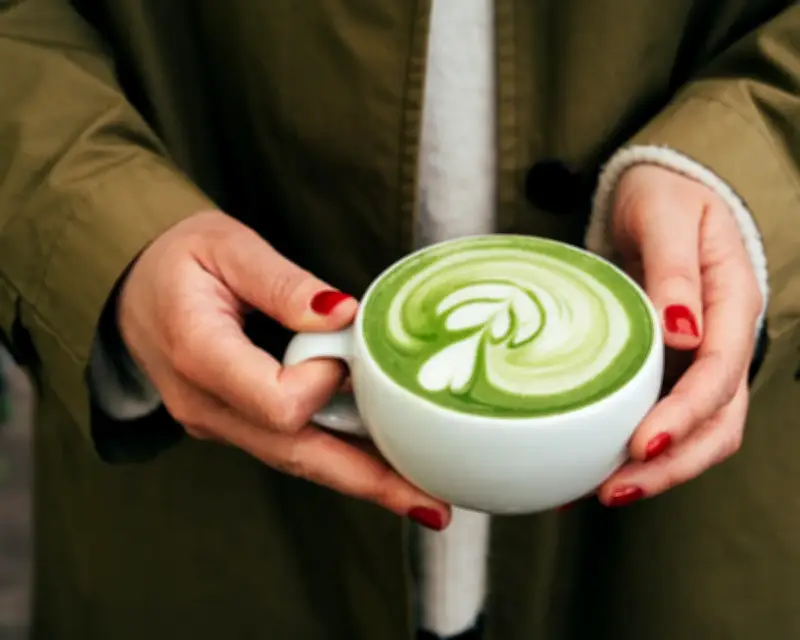
Matcha orders in Australian businesses have surged 133% year-on-year, with customers aged under 35 driving the demand, according to an annual report on Australian coffee habits and spending by ordering platform Hey You and Westpac DataX. The $8 iced matcha latte is now considered a “staple” on cafe menus.
From Japan to mainstream Australia
Donna Win, 27, a small business owner and co-founder of the Matcha Club in Sydney, first tried matcha in Japan in 2019. “It was love at first sip,” she said, noting she had never been a coffee fan because it gives her “the shakes”. Returning to Sydney, she was dismayed by how few cafes served matcha. Now, less than a decade later, it has become a staple on Australian menus. In 2024, Win and her sister started a social club bringing matcha enthusiasts together to cafe hop around the city.
The going rate for an iced matcha latte is about $8 – about $2 more than a standard milk coffee – and young Australians are undeterred by the price.

Supply strain and price rises
The beverage’s popularity has caused a strain on production and supply in Japan. The wholesale price of tencha, the loose leaves used to make matcha, grown in Kyoto has risen by 69% over the past year, from a 2025 high of 8,235 yen (A$82) a kilogram to an average price of 13,972 yen (A$122).
Sarah Xu, a thirtysomething head of operations, replaced her daily oat latte with matcha last year. She enjoys a more “mild start” to her mornings and believes matcha has health benefits compared to coffee. She adds supplements like cacao for focus or keratin for muscle recovery. Matcha is high in antioxidants and anti-inflammatory substances, though it contains a compound that can affect the body’s ability to absorb medication.
Lifestyle appeal and avoiding the crash
Win says people she has met through her social club want to avoid the “coffee crash”. A standard serve of matcha contains roughly 70mg of caffeine compared to the 80 to 100mg found in coffee.
Jade Gillis, a 24-year-old hospitality worker, is neither a coffee nor tea drinker, but has matcha three to four times a week, which she says “brightens my day”. Both she and Win agree matcha is particularly photogenic. “The green is really beautiful,” says Win. Adds Gillis: “Unfortunately, it is a bit of an aesthetic.” She says matcha has become wrapped up in a specific type of lifestyle removed from its origins – the “matcha girlies” doing pilates and carrying “farmer’s market bags filled with greens”.
All three women believe matcha has transcended trend status. As Win points out, “McDonald’s has matcha”.
How to make matcha at home
Matcha latte typically contains milk and sugar, but traditional matcha is made with only ground matcha and water. Taka Kaneko, founder of Edomatcha and a certified Japanese tea instructor, says newcomers can use a spoon to mix, but a chansen – a bamboo whisk – is vital for a smooth and velvety texture. These can range from $30 to $80.
To make one bowl, Kaneko mixes 1.5 to 2 grams of matcha into 60 to 80ml of hot water at 70 to 80C. He whisks in an “M” shape, slowly at first and then vigorously to create large bubbles. Getting the water ratio wrong is a common mistake from first-timers, he says. Too little powder makes the drink watery, while too much makes it thick and astringent. He advises looking for a “first harvested” label rather than “ceremonial grade” or “culinary grade”, as it indicates the matcha was picked in its prime.