
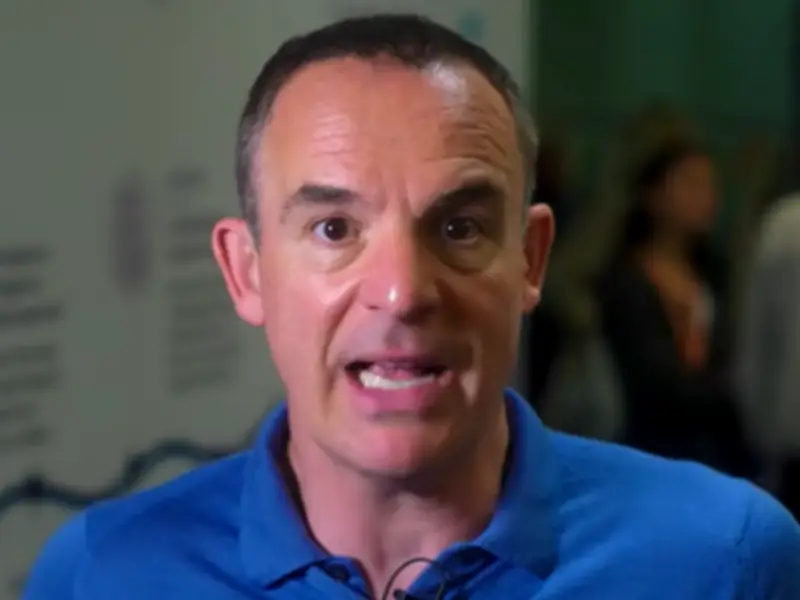
Martin Lewis has warned that a significant change arriving in January will affect anyone with an online subscription to services such as Netflix, Spotify, Disney+, Amazon Prime, gym memberships, and cloud storage.
Mr Lewis told listeners to his podcast that currently there is 'no protection' - if something auto-renews, there is no cooling-off period. He urged people to stay on top of their subscriptions by setting reminders in their digital calendars, warning that cancellation may not always be straightforward.
No cooling-off period currently
During his Question Time Podcast on the BBC, he was posed the question: "Martin, must they give me a cooling-off period when they double my online subscription?" He responded: "I'm afraid right now, if you have a subscription and it auto-renews, even if it's up to the higher price, even if it was free before and you're now having to pay, they do not have to give you a cooling-off period. And not only that, they don't even have to give you advanced notification that the auto-renewal is about to come or that you're about to be charged."
"Now, thankfully, there are big rule changes coming in on this in January, but until then, you're unprotected. And January. Well, they will have to tell you as you're about to start paying for a subscription that was free, and they will have to tell you before your auto-renewal comes in, and they'll have to tell you about your subscription every six months. But right now, no. Which is why, currently, it's really important that if you are on a subscription service and it's going to auto-renew, you get a date in your diary a good couple of weeks beforehand so you can make an active decision whether you want it to renew or not."
"Because if it does, even if they put the price up, you might not know about it and you might not be able to cancel it."
Common examples that are set to be included
Streaming and digital content services (e.g. Netflix, Spotify, Disney+, other video/music platforms). Gym, fitness club or spa memberships (especially rolling monthly ones). Magazine, newspaper or digital publication subscriptions that auto-renew. Software-as-a-Service (SaaS), apps, productivity tools or other software subscriptions aimed at consumers. Meal kits, recipe boxes, beauty boxes or other physical subscription boxes. Online gaming or gaming service subscriptions. Cloud storage or similar digital storage services. Other recurring digital memberships or platforms. Annual season tickets or memberships for visitor attractions that auto-renew.
The Government has stated the legislative change will save consumers approximately £400 million annually. The Department for Business and Trade reported that across the UK, there are 155 million active subscriptions – with close to 10 million of these thought to be unwanted.
More than 3.5 million people are being silently transitioned from free or reduced-price trials into full-price contracts, while a further 1.3 million are caught off guard by unexpected autorenewals. By simplifying the cancellation of unwanted services, consumers could save roughly £14 monthly (on average) per unwanted subscription - approaching £170 annually.
Officials welcome the new rules
Kate Dearden MP, Minister for Consumer Protection said: "There's nothing more frustrating than seeing money you've worked hard for, disappear from your account for a subscription you've forgotten you had."
"These new rules will put consumers back in control of their money – making subscriptions clearer, fairer and far easier to cancel."
Sue Davies, Which? Head of Consumer Rights Policy, said: "Subscription traps can be costly and wreak havoc on finances that are already under strain from the cost-of-living crisis."
"The strengthening of subscription laws will be welcome news for those struggling with rising costs. These new rules will help put consumers in the driving seat with proper transparency and protection."
The legislation takes effect on 1 January.
Certain contracts are to be excluded: Utilities (gas, electricity, water). Most financial services and insurance. Healthcare services and medical prescriptions. Residential accommodation rentals. Certain education contracts (e.g. childcare and school-age education; universities are not currently listed as excluded). Some services regulated by Ofcom (e.g. certain telecoms/mobile/broadband contracts, which often have their own sector rules). Gambling contracts and the National Lottery. Package holidays/travel and leisure activities tied to a specific date. Certain charitable, cultural and heritage memberships (e.g. those giving access to museums, galleries, historic properties, landscapes, wildlife or performing arts linked to a charity’s purposes).




