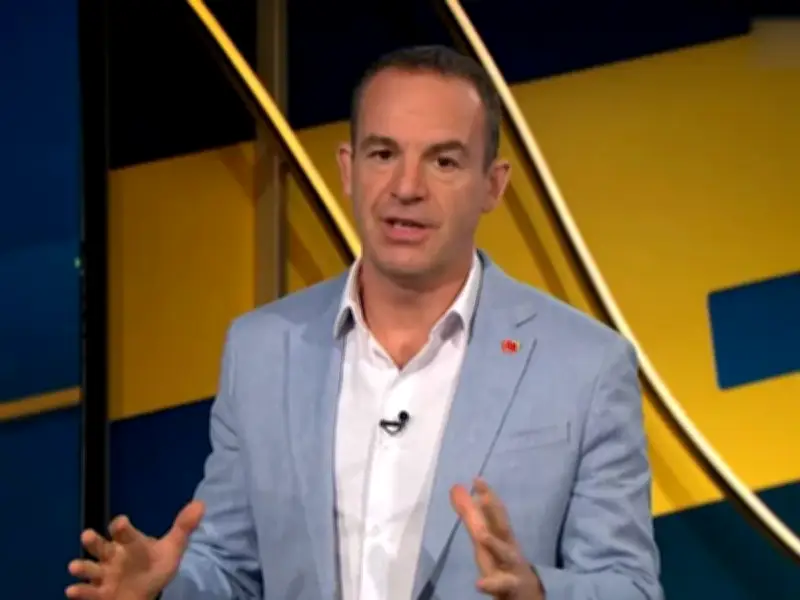
Martin Lewis has shared a simple technique that could help UK households keep their homes warmer for less this winter — and it requires making one minor adjustment at approximately 4pm. The MoneySavingExpert founder says drawing curtains as darkness falls can help retain heat and may even postpone the point at which you need to switch on your heating.
Martin Lewis' 4pm curtain rule
Martin previously shared his advice on his ITV programme, advising families to use their curtains tactically to help retain warmth within their properties. His guidance is to leave curtains drawn back while the sun is out, then pull them shut once darkness falls.
Addressing viewers, he said: "Use tactical curtains. When the sun is shining, it is letting light and heat into the house, so you want the curtains open. When it gets dark, it's not, so you want to keep the heat in by closing the curtains. I know we all know that, but doing it rigorously can help insulate, especially if you line it with a fleece."
The suggestion was initially posted in November 2022, though MoneySavingExpert has confirmed the guidance stays applicable.
Why you should close your curtains at 4pm
As daylight hours diminish, darkness comes progressively earlier, resulting in reduced natural warmth entering through windows. For instance, sunset occurs at approximately 4.14pm on November 15, while by November 30 it falls closer to 3.55pm.
Drawing curtains as daylight fades could help retain some of the warmth within your property from escaping through the windows. Curtains act as an additional barrier between the heated air inside your home and the colder glass. Heated air naturally circulates around a room through convection — air adjacent to a cold window cools down, becomes denser and descends, while warmer air is pulled towards the window.
Drawing the curtains helps establish another layer between the room and the cold glass, limiting the circulation of warm air around the window.
You don't necessarily need to invest in costly thermal curtains to attempt the method. Martin has previously recommended using affordable fleece as a lining for existing curtains, which can offer another insulating layer. He noted there are numerous guides online demonstrating how to do this economically yourself, but households should ensure any fleece or other material used is fire-resistant before attaching it to curtains. For those who can manage to invest, heavier or thermal-lined curtains are an alternative option. Fleece operates in a comparable way to layers in a winter coat, forming pockets of air that can help reduce heat transfer.
Other methods Martin Lewis recommends for cutting energy use
The 4pm curtain technique represents just one of numerous energy-saving recommendations from the MoneySavingExpert team. Additional suggestions include installing reflective panels behind radiators to redirect warmth back into the space and addressing draughts around windows and doors.
Martin has also consistently championed the concept of "heat the human, not the home" — employing focused strategies to keep yourself comfortable rather than warming the entire house when you're only occupying one or two spaces. Straightforward adjustments such as layering clothing, using throws or warming only the room you're actually occupying could potentially help families prevent squandering energy on unoccupied areas.
With chillier conditions on the horizon and household finances remaining stretched, implementing minor modifications to how and when you consume energy might help retain some of that costly warmth within your property.
Household suggestions
Offering their own recommendations for reducing heating expenses, one contributor on Reddit's Life Hacks forum proposed using transparent packing tape to address draughty windows. They posted: "If you have a draft coming from an old double hung or sliding window, simply take some clear packing tape and try to cover up the gaps that make it drafty. It's not going to completely keep the cold out, but it will certainly slow it down considerably. Did this a few times to some apartment windows where the landlord was too cheap to fix the windows and you could feel the room warm up almost immediately."
Another remarked: "If your home doesn't have central heating, you can heat only the most insulated rooms where people spend most of their time. The first month in my house, I heated every room and spent 4x the energy I've been using since. Invest in a couple pairs of thermal hiking socks. If you're sitting at the computer, stand up and bounce every once in a while to keep the blood flowing in your legs and feet."
A third Reddit user recommended capitalising on the warmth generated while cooking, noting: "Electric ovens are not vented (not sure about gas) therefore the heat from your oven will radiate into the room whether or not the door is open."