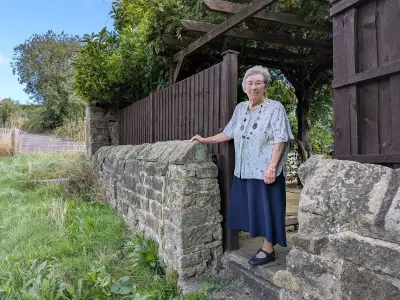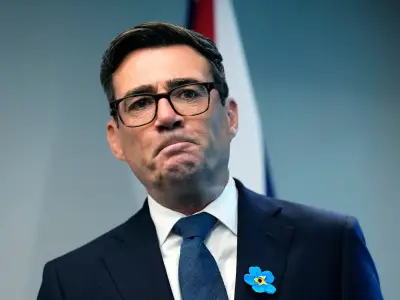
Greater Manchester Mayor Bev Craig has pledged to "bring banks back to the high street" as part of efforts to tackle dying town centres and the cost of living crisis. The GMCA is working with the Manchester Building Society to explore turning public spaces into community banking sites. This could include making space in libraries, leisure centres, or Post Offices for banking desks, to combat the growing number of towns left without access to in-person services.
Branch Closures and Impact
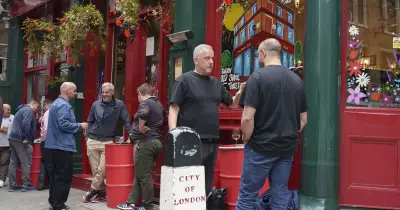
Banks have closed more than 500 branches across the UK in the last year alone, with the North West classified as the worst-affected area. Government research shows these closures can exacerbate financial exclusion of vulnerable groups, impact negatively on small businesses, and speed up the decline of high streets.
Ms Craig said: "I've spoken to so many people, who look at their high street, and see a physical sign decline on their doorstep. At the same time, they're being told the city is growing in prosperity. Community banking for me is a massive priority in plugging that gap."
Shared Space Model
GMCA and the Manchester Building Society will work together to see how community banking can be expanded. Ms Craig said she is "particularly interested in the model of shared space, working with charities, working with leisure centres and libraries." She added: "Obviously, Manchester Building Society is a business, so, they will cover their costs. But in terms of education, financial inclusion, and outreach into communities, there is an opportunity for working together."
She issued a challenge: "My challenge is to any other banking institution who wants to get back involved in putting people before profit, and investing in the high street, we'll welcome it."
Cost of Living Summit
The GMCA is joining forces with the Manchester Building Society, which has already participated in similar schemes with four local authorities across the UK. Andrew Haigh from MBS said: "We have lost nearly two thirds of our high street bank branches. In many places, that means communities are being left with no services in their area. This isn't just about access to cash. It's about the services and support provided. And the people who are most affected by this are the most vulnerable."
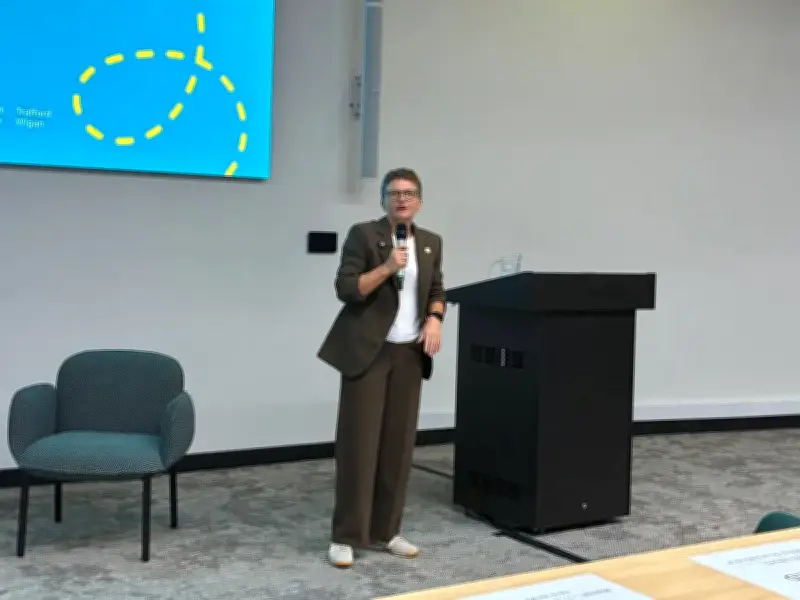
Mr Haigh spoke at the brand new 'Cost of Living Summit' called by the Greater Manchester Mayor. Around 300 businesses and charities attended the event at the Renold Building in the city centre with the aim of getting the private sector involved in 'tackling the crisis and putting money into people's pockets'.
Addressing the summit, Ms Craig said the Cost of Living crisis remained persistent, with residents increasingly feeling like "the deal we have, that if you work hard, things will be better for the next generation, is fragile and eroding", with 43 per cent of Greater Manchester families struggling to cover the bills. She shared memories from her childhood in Greenisland, outside Belfast.
Ms Craig said: "When I was growing up, I didn't think I was poor. I thought every kid took less food to the harvest festival than they took home. I thought every child had a church helper visit them with parcels and food. I didn't think it was unusual that you would get your first computer from a skip when the university was throwing it away. It taught me resilience, the same resilience I see across Greater Manchester now."
The Mayor called for "more support" from both the public and private sectors to bring "greater dignity and hope" to families struggling in the region. As well as courting more support from private firms, GMCA is setting up a new website, everydaysupport.org.uk, to pool advice and support from dozens of different local, regional and national sources into a single location.