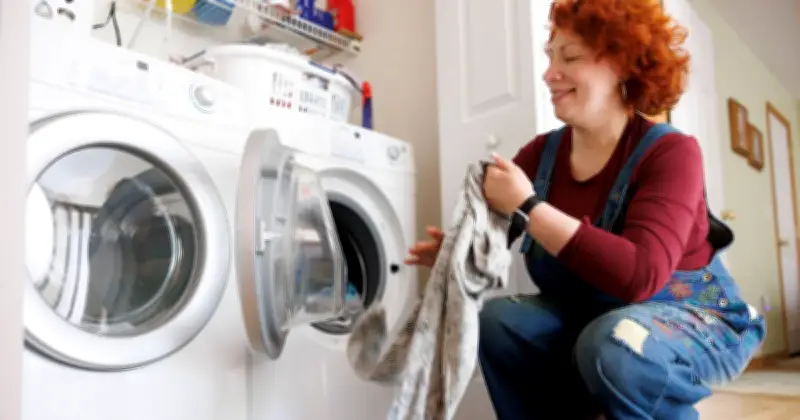
Running your washing machine between 7am and 8am is the most economical time of day to do laundry, according to industry specialists at Dr Beckmann, as households look to cut energy costs this autumn.
The recommendation comes as Ofgem's energy price cap stands at £1,723 a year for a typical household paying for gas and electricity, a 4 per cent increase on the previous quarter that adds around £60 to annual bills, or an extra £5 a month. Households with gas and electricity also pay an average of 84.5p a day in standing charges, totalling around £309 a year before any energy is used.
The 'Magic Hour' for Laundry
Most energy suppliers offer reduced tariffs during the hours of 10pm to 8am, but running a wash overnight is not advised due to fire safety regulations. Instead, Dr Beckmann recommends setting your washing machine to run between 7am and 8am, describing this as the 'magic hour' that represents the most economical time to complete laundry.
Tackling washing first thing in the morning also allows clothes to be hung out to dry before heading to work or the school run, freeing up more time later in the day.
Washing at Lower Temperatures
Washing garments at cooler temperatures and for shorter durations can substantially improve a machine's energy efficiency. A 30-degree cycle can reduce a washing machine's energy consumption by half compared with a 40-60-degree cycle, and these lower temperatures are suitable for cleaning everyday items without heavy staining.
The NHS website advises that underwear, towels and household linen should be washed at 60°C to prevent the spread of germs, or at 40°C using bleach-based laundry products such as bio-based washing powder. To help reduce bills, these items should be reserved for a separate hot wash, with the ECO setting selected where available.
Avoiding Half Loads and Maintaining the Machine
Avoiding half loads wherever feasible is another way to cut costs, as full loads are far more economical. If a smaller load is necessary, the half-load programme should be used if the machine has one, while always following the appliance's instructions to avoid overloading.
According to laundry specialists at Ariel, the one-palm trick can help gauge the right load: inserting your hand into the drum, the ideal load allows just your hand to fit alongside the laundry, with no additional room.
The Energy Trust experts emphasise the importance of avoiding drum overload, which could lead to damage. They also suggest cleaning the machine's filter monthly and running a monthly service wash with a hot cycle and empty drum. Checking and emptying clothing pockets prevents items from becoming lodged in the drain pump or harming the drum.
Detergents, Dryer Balls and Drying Methods
For greater stain removal at reduced temperatures, bio capsules or laundry liquid are most effective, as their enzymes activate at lower temperatures compared with non-bio alternatives. Non-bio detergents are preferable for those with sensitive skin, as they contain fewer aggressive enzymes.
Dryer balls stop laundry from bunching together in the dryer by bouncing between layers and keeping fabric separated, allowing warm air to flow more freely and potentially cutting drying time. Their action against clothing can also combat creases, reduce static and leave garments feeling soft.
Tumble dryers are the least energy-efficient appliance in the home, so hanging clothes on the line when the weather is warm enough and outdoor space is available is recommended. Alternatively, a drying rack can be positioned in the warmest room of the home with doors shut, allowing clothes to dry quickly, particularly if left overnight.