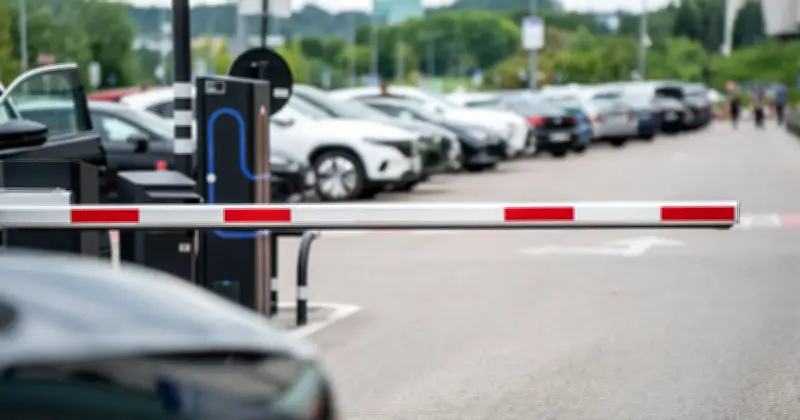
A lawyer has highlighted that motorists issued with a Parking Charge Notice in a private car park after exceeding their time limit may have grounds to contest the penalty. Kal, a lawyer qualified in both the UK and the USA with over 13 years' experience, drew attention to a change that could prove significant for drivers who find themselves just a few minutes beyond their allocated parking duration.
Speaking on his Better Call Kal YouTube channel, he outlined that a new private parking code includes a compulsory grace period for motorists. Under the new rules, private parking operators must grant drivers an extra 10 minutes following the conclusion of their paid or permitted parking period before issuing a Parking Charge Notice.
Mandatory grace period under new code
For instance, if a motorist's parking session expires at 2pm but their vehicle is captured departing at 2.08pm or 2.09pm, Kal stated the charge should be invalid, reports the Liverpool Echo. He explained: "So, if your paid session or free parking period ends at 2 p.m., let's say, and your camera and the camera then clocks you at 208 or 209, that ticket is not valid."

The crucial element for drivers is that the additional time is not merely a courtesy from the parking firm. Kal emphasised that the grace period is obligatory under the new rules. "That grace period is not discretionary. It's mandatory," he stated.
Appealing a charge within grace period
Anyone who is issued with a parking charge despite seemingly being within those 10 minutes should consequently examine the evidence before deciding whether to pay. Kal's guidance was unambiguous: "So again, if you have been fined while you were in your grace period, appeal it immediately."
A new Single Code of Practice is being rolled out to establish one uniform set of regulations for participating private parking firms across England, Scotland and Wales. It is important to note that private car parks are presently in a "transition period" to adjust to these requirements, which become fully compulsory across all locations in December 2026.
Any locations established since October 2024 must comply with its regulations, including the 10-minute grace period. Existing locations have until December 31, 2026, to achieve full mandatory compliance with the code across all operational requirements, including signage. To verify whether a private car park is following the grace period regulations, you can consult the Citizens Advice website.
Key distinction from council penalties
The change forms part of initiatives to introduce a single set of standards for private parking operators. The code includes provisions addressing signage, appeals and the treatment of motorists. The current maximum charge is £100, although this can be reduced to £60 when paid within 14 days.
However, there is a significant caveat. The rule applies to private car parks, rather than parking penalties issued by councils. Kal emphasised what he characterised as a "very important distinction." "But guys, this applies to private car parks only. Very important distinction. It does not apply to council issued penalty charge notices on public roads," he stated.
Penalties issued by local councils operate under different regulations, which means drivers cannot automatically depend on the same 10-minute grace period. Private car parks are typically those run by commercial operators on sites such as shopping centres, supermarkets and other retail locations, as opposed to public parking facilities managed by local authorities.