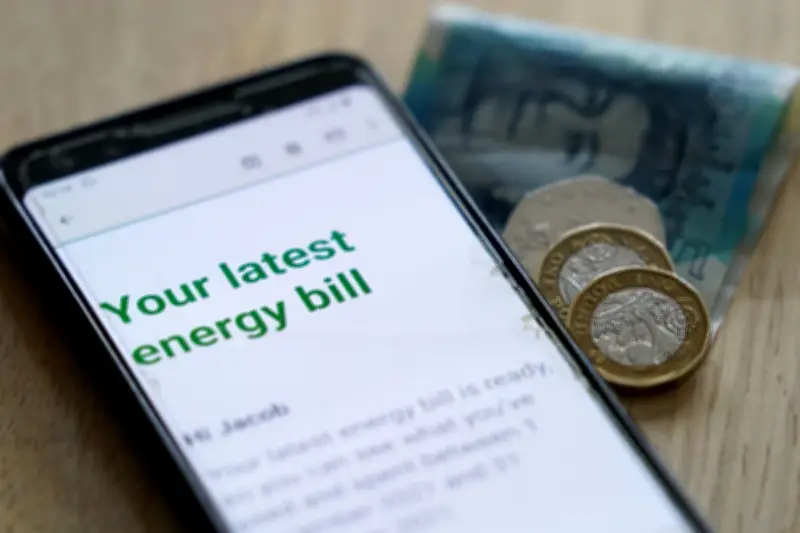
More than four million households on a standard energy tariff have been urged to send in meter readings to avoid paying higher prices from October 1.
The energy price cap will rise by 4% from Thursday for a typical household in England, Scotland and Wales, just as cooler temperatures see many switching on their central heating.
The increase will see the energy bill for the average household paying by direct debit for gas and electricity reach £1,723, up £5 a month or £60 a year if this level was sustained over 12 months.
Reason for the rise
Ofgem said the increase reflected higher wholesale gas prices as a result of the ongoing conflict in the Middle East, with volatile global markets remaining the dominant driver of price changes.
Comparison site Uswitch warned households without smart meters to send in readings to their supplier by the end of the month to avoid being charged higher rates for energy used before October 1.
Homes on a standard tariff with average usage are expected to spend £145 on energy in October, compared with £109 in September.
Impact on typical bills
The increase of a third is down to a combination of increased usage due to cooler temperatures and higher unit rates under the latest price cap.
Ben Gallizzi, energy expert at Uswitch.com, said: “Submitting a meter reading, if you don’t have a smart meter, before or on Thursday October 1 will ensure the energy used is charged at the correct rates and not estimated by a supplier.
“That same deadline applies for the 15 million households on standard tariffs wanting to beat the hike entirely by locking in a lower-rate fixed deal before energy costs rocket for winter.”
How the price cap works
Ofgem changes the price cap for households every three months, largely based on the cost of energy on wholesale markets.
The energy price cap was introduced by the Government in January 2019 and sets a maximum price that energy suppliers can charge consumers in England, Scotland and Wales for each kilowatt hour (kWh) of energy they use.
It does not limit total bills because householders still pay for the amount of energy they consume.