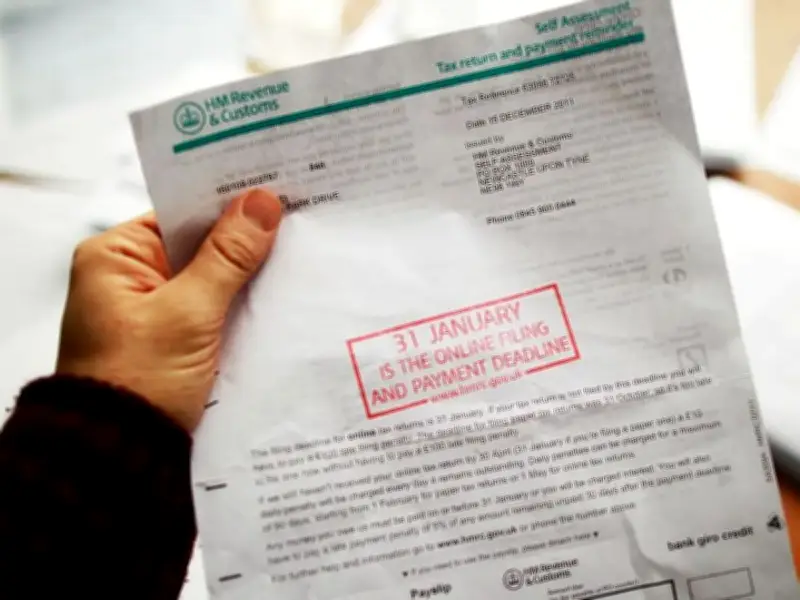
HM Revenue and Customs (HMRC) could be given new powers to take money directly from people's bank accounts through monthly deductions to recover unpaid tax debts.
The proposals would allow the tax authority to instruct banks and building societies to make deductions after its existing debt collection processes have been exhausted and where taxpayers have repeatedly failed to engage. For individuals, the proposed measure could be used for tax debts of up to £5,000, while businesses owing up to £10,000 could also potentially be affected.
Consultation on lower-value tax debts
The plans form part of a UK Government consultation on tackling lower-value tax debts, which closes on Friday, August 28. HMRC estimates that up to 4.8 million individuals and businesses owing around £4 billion could potentially fall within the scope of the measures.

However, this does not mean 4.8m bank accounts would automatically face deductions. The proposed power is intended as an additional debt recovery measure where existing processes have been exhausted and taxpayers repeatedly fail to engage.
BDO calls for stronger safeguards
Accountancy and business advisory firm BDO has now called for stronger safeguards before HMRC is given the new powers, raising concerns about affordability, taxpayer rights and the ability to challenge debts.
Dawn Register, a tax dispute resolution partner at BDO, said: “These proposals would give HMRC the ability to recover lower value tax debts by taking money directly from individuals' and businesses' bank accounts.
“For millions of taxpayers, that represents a significant new intervention by the tax authority and it is essential that the safeguards are robust.
“While we support HMRC taking action against those who deliberately refuse to pay tax or engage with the tax authority, the proposals raise important questions around affordability, taxpayer rights and whether HMRC has sufficient resources to operate the system fairly.”
How could the new HMRC powers work?
Under the proposals, HMRC could instruct a taxpayer's bank or building society to make direct monthly deductions towards an outstanding tax debt. The power would not be the first step taken when someone owes HMRC money.
Existing debt collection processes would need to have been exhausted and the proposals are aimed at taxpayers who have repeatedly failed to engage with HMRC over what they owe. BDO said one of its main concerns is the possibility that deductions could be made through an automated process.
Ms Register said: “That makes it particularly important that taxpayers are given adequate notice, clear information about their rights and a meaningful opportunity to challenge HMRC's view of the debt before any deductions are made.
“Taxpayers should be able to appeal not only the deduction notice itself but also whether the amount HMRC says is owed is correct.”
Calls for affordability safeguards
BDO has identified three main areas where it believes greater protection or clarity is required before the proposals are introduced. These include whether HMRC has enough appropriately trained staff to administer the system, how affordability would be assessed for people in vulnerable circumstances and businesses experiencing temporary cash-flow difficulties, and the proposed appeals process.
The firm also wants HMRC to provide more information about the 4.8m taxpayers potentially within scope, including how many are individuals and how many are businesses. Ms Register said: “Before introducing powers to access funds directly from taxpayers' accounts, HMRC should be clearer about who would be affected and why existing debt collection tools are not achieving the desired results.
“There is also a fundamental question about whether sufficient effort has been made to understand why many taxpayers are not engaging with HMRC in the first place.”
Existing help with HMRC tax debts
BDO said greater consideration should also be given to existing alternatives for people unable to pay their tax bill, including HMRC's Time to Pay arrangements. These can allow eligible taxpayers who cannot pay what they owe in full to spread their tax debt through instalments.

BDO said it supports action against people who deliberately refuse to pay tax but believes direct access to bank accounts should only be introduced once safeguards, affordability protections and appeal rights are fully developed. The firm has also suggested any new system should initially be trialled on corporate tax debts before being extended to individuals.
The UK Government consultation on the proposals closes on August 28 - you can view it in full on GOV.UK.