

Microplastics are not just an environmental issue; they are lurking in everyday beauty products. Despite bans on microbeads, many cosmetics still contain intentionally added microplastics for texture and performance. Studies suggest potential links to inflammation, hormone disruption, and even cancer. The EU is phasing out these ingredients, but loopholes remain. Discover how to identify and avoid microplastics in your routine.
Understanding Microplastics in Cosmetics
Microplastics are tiny plastic particles, often invisible, added to products like foundation, moisturisers, and shampoos. They improve texture, create a smooth feel, or enhance appearance. According to the Plastic Soup Foundation, 87% of products from top brands contain them. Unlike microbeads (banned in 2018), these are not always solid spheres and include polymers like polyethylene and dimethicone.
Health Concerns
Inflammation and DNA damage may contribute to cancer risk. Hormone-disrupting properties could affect fertility. Microplastics might also carry toxic substances like heavy metals. While the beauty industry deems them safe, emerging research suggests potential skin barrier disruption and accelerated ageing.

EU Regulations and Limitations
The EU bans intentionally added microplastics in rinse-off products by 2027, leave-on by 2029, and colour cosmetics by 2035. However, liquid and soluble polymers like dimethicone are excluded, leaving many common ingredients untouched.
How to Reduce Exposure
- Swap shower gels for soap bars in cardboard packaging, e.g., Eco Warrior All Over Body Bar.
- Use natural loofahs instead of plastic net poufs.
- Download apps like Yuka to check for ingredients: polyethylene (PE), polypropylene (PP), nylon, PMMA.
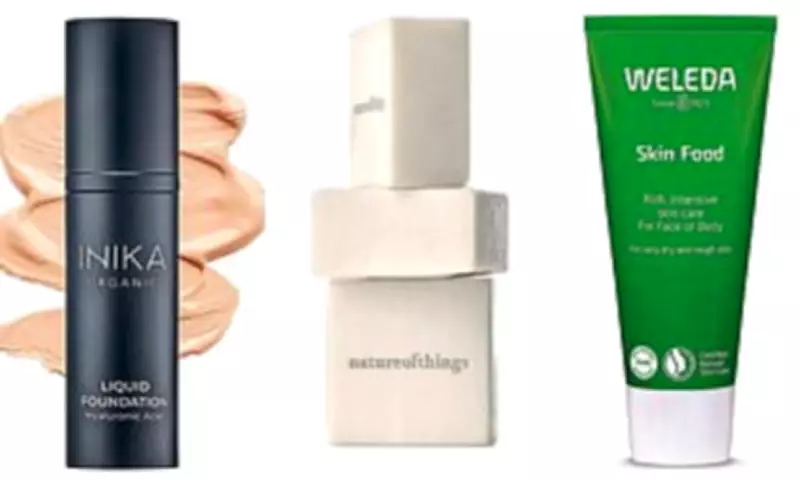
- Skip primers containing dimethicone; try Weleda Skin Food.
- Choose certified microplastic-free brands such as Weleda, Odylique, UpCircle, Inika Organic.
- Limit long-wear products that rely on film-forming polymers.
Recommended Alternatives
Evolve Organic Beauty Gentle Cleansing Melt (£27) and Inika Organic Liquid Foundation (£45) are excellent plastic-free options.






