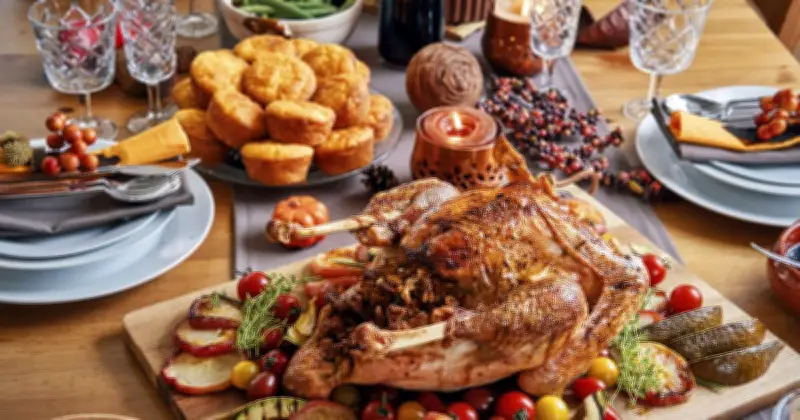
A survey of 2,000 people by Lightspeed found that more than one in four Brits (27%) have added ketchup to a roast in the past year, while one in six has spiced things up with hot sauce (17%) and 12% with chilli oil.
Brits are also swapping roast potatoes for sweet potatoes (12%), adding hot honey (10%), jalapenos (8%) and sriracha (5%), while 3% have even swapped peas for avocado.
Gen Z leads the roast revolution
Gen Z are changing up the roast the most, with two in five (39%) adding ketchup, nearly a quarter (23%) using hot sauce and almost one in five (19%) using chilli oil.

One in seven Gen Z (14%) also put hot honey on their Sunday favourite, while the same amount say they are now leaving off the gravy and 12% have seen the Yorkshire pudding ditched.
Others are taking the makeover even further, with 11% reporting a traditional side being swapped for mac & cheese and 9% adding a Korean twist with kimchi.
Boomers stay traditional
In contrast, two in five Baby Boomers say neither they nor someone they know has made any of the listed changes to a Sunday roast in the past year.
The changes are not simply about flavour, with more than a third of those making changes saying it is to eat more vegetables (35%) or make the meal healthier (34%), while 22% want more protein and one in five (20%) more fibre.
But there are limits to how far Brits are prepared to go, with more than two thirds (68%) insisting roast potatoes should never be changed or removed, followed by meat (65%), gravy (63%) and Yorkshire puddings (60%).
Roast remains a favourite
The traditional roast itself remains as popular as ever, with the average Brit already tucking into 11 Sunday dinners this year. Beef is the nation’s favourite roast meat on 32%, ahead of chicken (25%) and lamb (19%).
Despite being increasingly willing to tailor their roast, when asked which one classic dish restaurants should never mess with, Brits still put the Sunday roast top (18%), ahead of the full English breakfast (15%) and fish and chips (14%).
Four in five Brits (81%) want more restaurants, pubs and cafés to bring back traditional British dishes which remind them of childhood, while more than three quarters (77%) would pay extra for meals made using British ingredients.
More than a quarter (27%) would even pay over £5 extra, while 71% are more likely to order a dish if the menu tells them where in Britain its ingredients came from.
Award-winning chef Sally Abé, who has recently opened her first standalone restaurant Teal, a high-end British bistro reimagining traditional dishes, said: “Diners are far more adventurous than they were ten years ago.
“Ingredients that might once have felt niche, like celeriac, fermented vegetables or offal, are now much more widely accepted when they’re presented well.
“Younger diners in particular have grown up with a wider range of global flavours, so experimenting with traditional dishes doesn’t necessarily feel unusual to them.
“Even something as familiar as a Sunday roast can evolve, whether that’s through different vegetables, spicier flavours or new accompaniments.
“But at the same time, there has been a real return to comfort and nostalgia. People still want dishes that remind them of childhood or classic British cooking, but they expect them to be made with great ingredients and executed really well.
Ana Munoz, VP of Sales, EMEA Hospitality at Lightspeed, said: “It’s clear that the way we eat out has changed significantly over the past ten years.
“Restaurants are having to respond to changing diner expectations and looking at the data, we see a clear desire from people to get the best of both worlds, where adventurous dishes and nostalgic favourites will go hand in hand on the menus of the future.”
In response to how Brits are customising classic British dishes when dining out, Sally has collaborated with Lightspeed to create custom recipes of traditional favourites that people can cook at home.